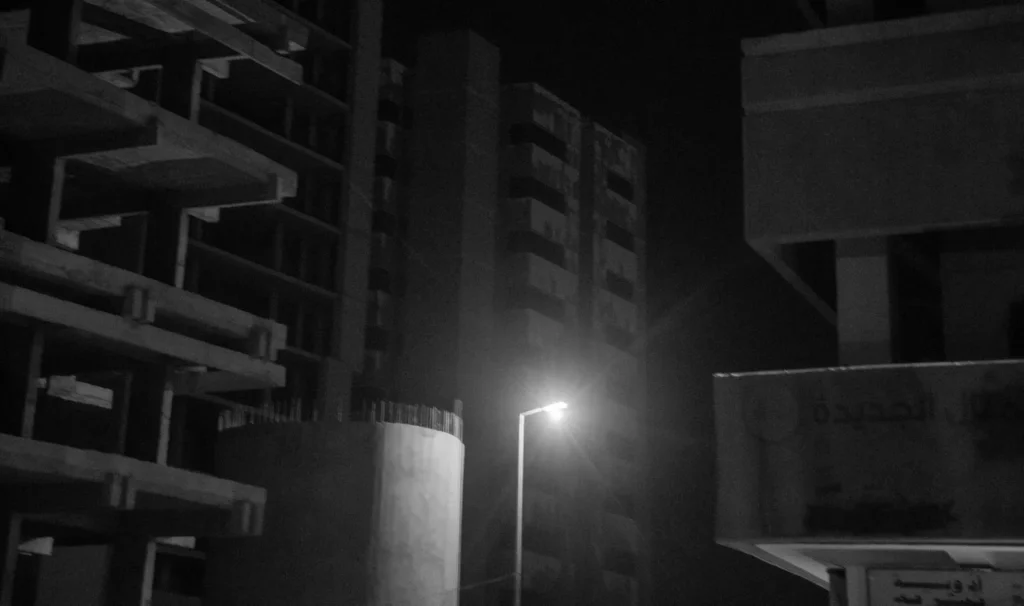
The Muse multi studios announces the fourth issue of The Muse Magazine, an interdisciplinary publication dedicated to critical writing, visual culture, and contemporary artistic discourse from Sudan and beyond.
This issue explores “Site and Stance” as both a conceptual and political framework—asking how artists, researchers, writers, and cultural practitioners produce knowledge through practice, and how geography, memory, institutions, conflict, and everyday life shape artistic positions.
This 12-month fellowship, delivered by The Muse Multi Studios (Sudan Art Archive), Sudan in partnership with Qubit Incubator, Australia supports eight artists from Australia and Sudan to explore alternative, community-driven and living archival practices.
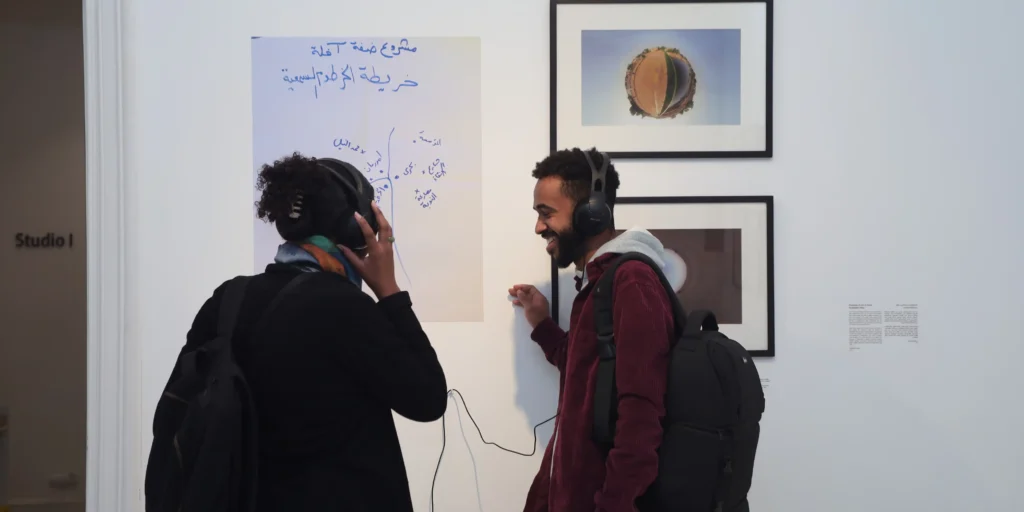
A year of movement, memory, and making space for Sudanese art. In 2025, we moved between cities, borders and questions of place and identity, working with artists to keep artistic memory alive amid uncertainty. This post highlights the work we have done last year and the mission that moves us.
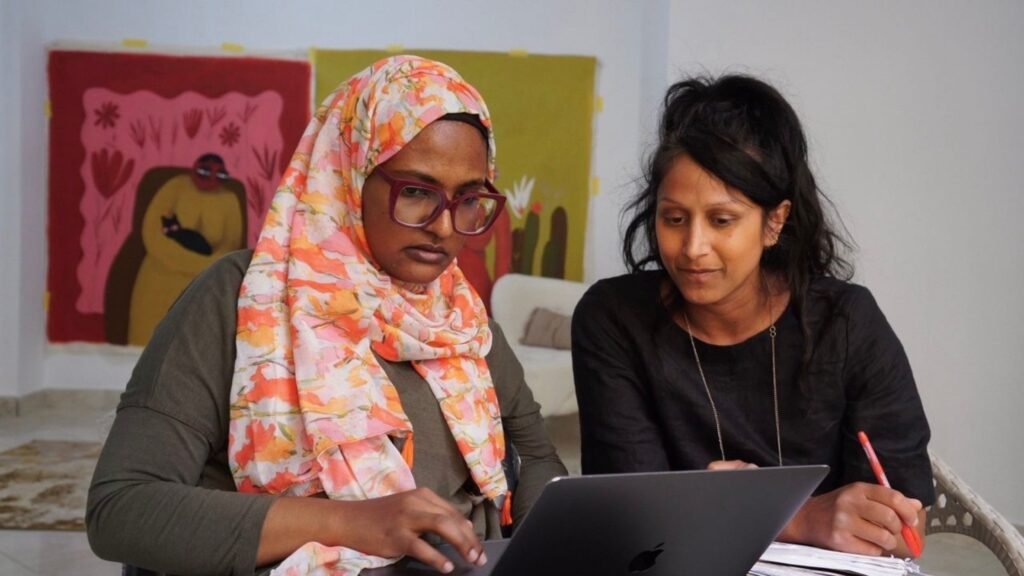
In November 2025, a long-term collaboration in archiving and artistic production was launched between The Muse Multi Studios (Sudan Art Archive) and Qubit Incubator, following several months of online development and exchange.
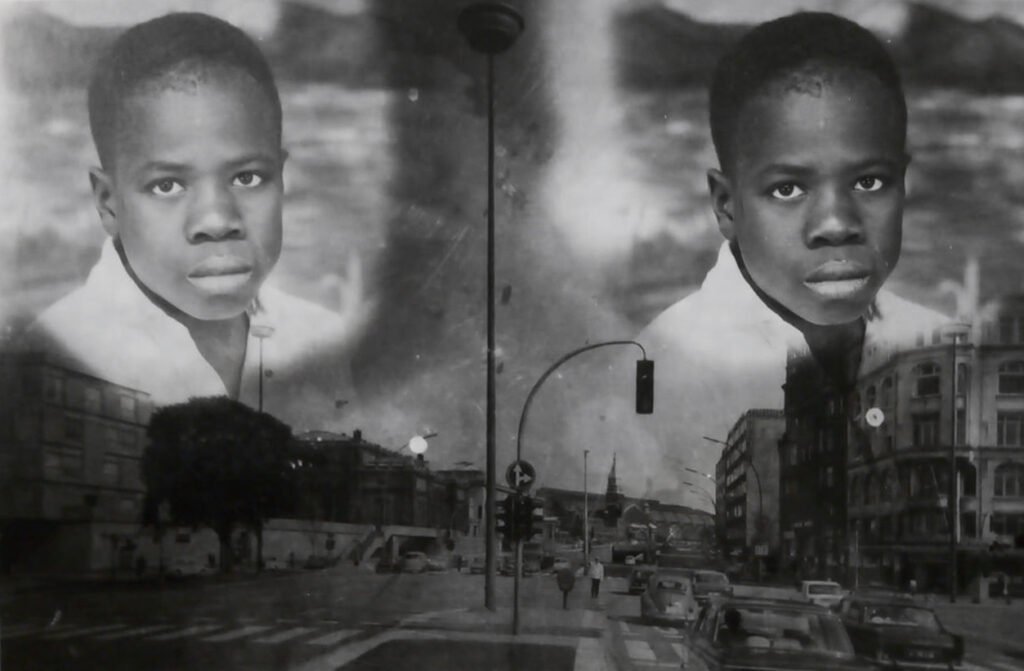
The Muse Magazine’s latest issue, “On Borders and Intersections,” explores the expanding world of Sudanese visual arts across the Arab and African regions. The issue focuses on how Sudanese art is evolving as artists disperse and engage with new scenes in countries like Egypt, Kenya, and the UAE. It features critical essays and personal stories that highlight both the historical presence of Sudanese masters and the contemporary integration of artists into new communities, all while reframing the conversation around Sudanese art and its diaspora

Our journey through the past year at The Muse—reflecting on milestones, resilience, and creativity. Thank you to everyone who was a part of this incredible journey and contributed to our mission of championing artistic expression and cultural preservation.

The Muse Magazine’s second issue, with the theme “Documentation and Archiving,” focuses on the importance of preserving artworks and cultural heritage, particularly in the context of war and displacement. It also explores the role of artists in archiving their own works and features interviews with key figures in the field.
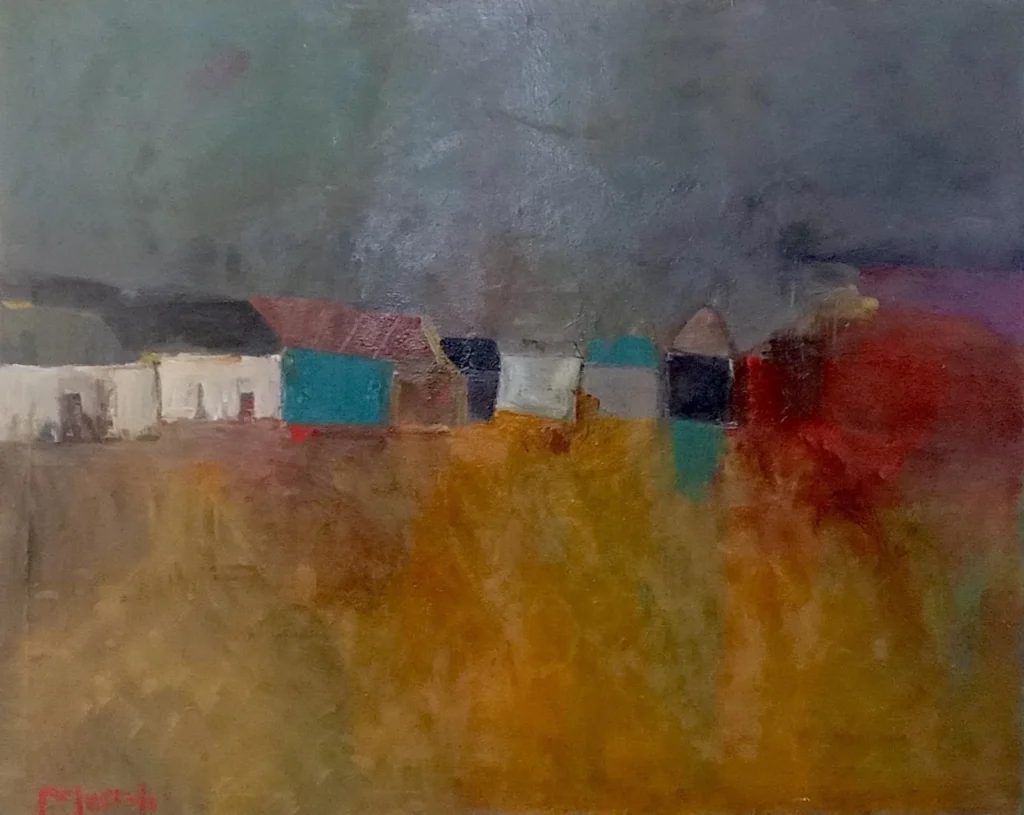
In an interview, visual artist Mustafa Hussein Salem discusses his artistic journey, from his upbringing in Tokar and Suakin to his time at the College of Fine Arts and his experiences in various cities in Sudan. He also shares insights into his creative process and his connection to the city of Suakin.
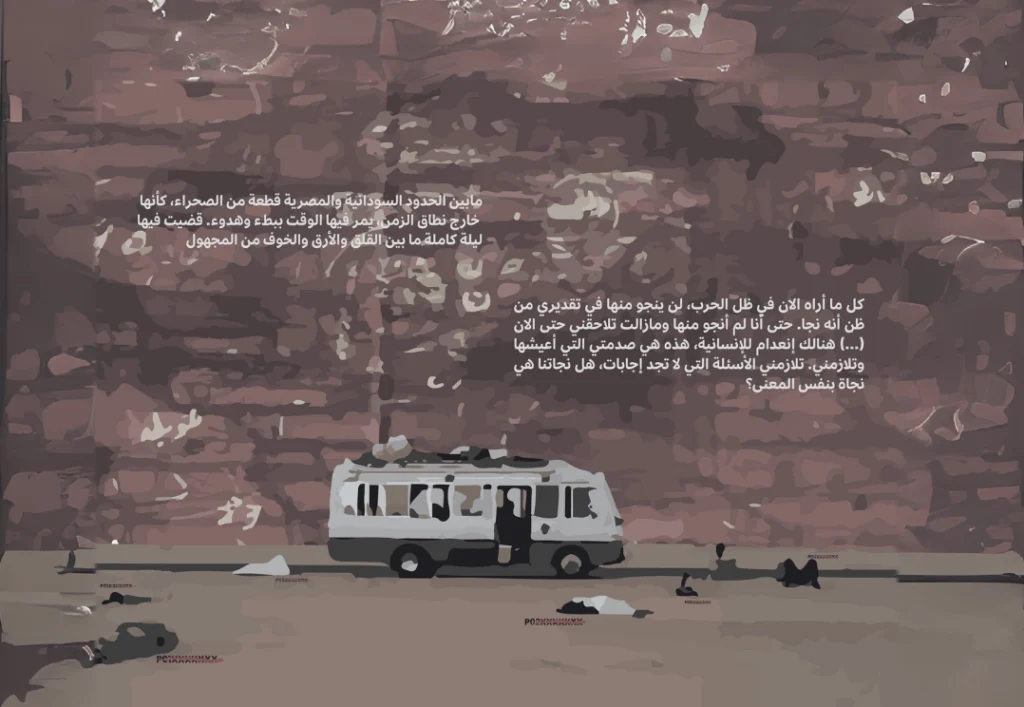
The article “Manifestations of Displacement in the Literature of Imagery” explores how the ongoing conflict in Sudan, which began in April 2023, has significantly affected young artists from Khartoum. These artists are using their art as a political tool and a means of survival and documentation, as they are forced to deal with the psychological and physical impacts of displacement.
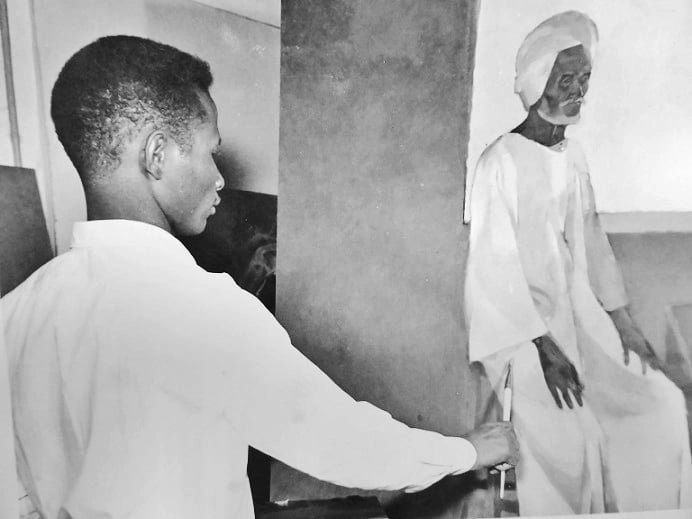
Authored by Mozafar Ramadan, this article examines the history of artistic institutions in Sudan and the complex interplay between art, politics, and social change, especially in the context of the December 2018 revolution. It critically analyzes how Western concepts have been adopted by the Sudanese educated elite and discusses the origins of “modern” plastic arts in Sudan, tracing them back to British colonial influence.
