
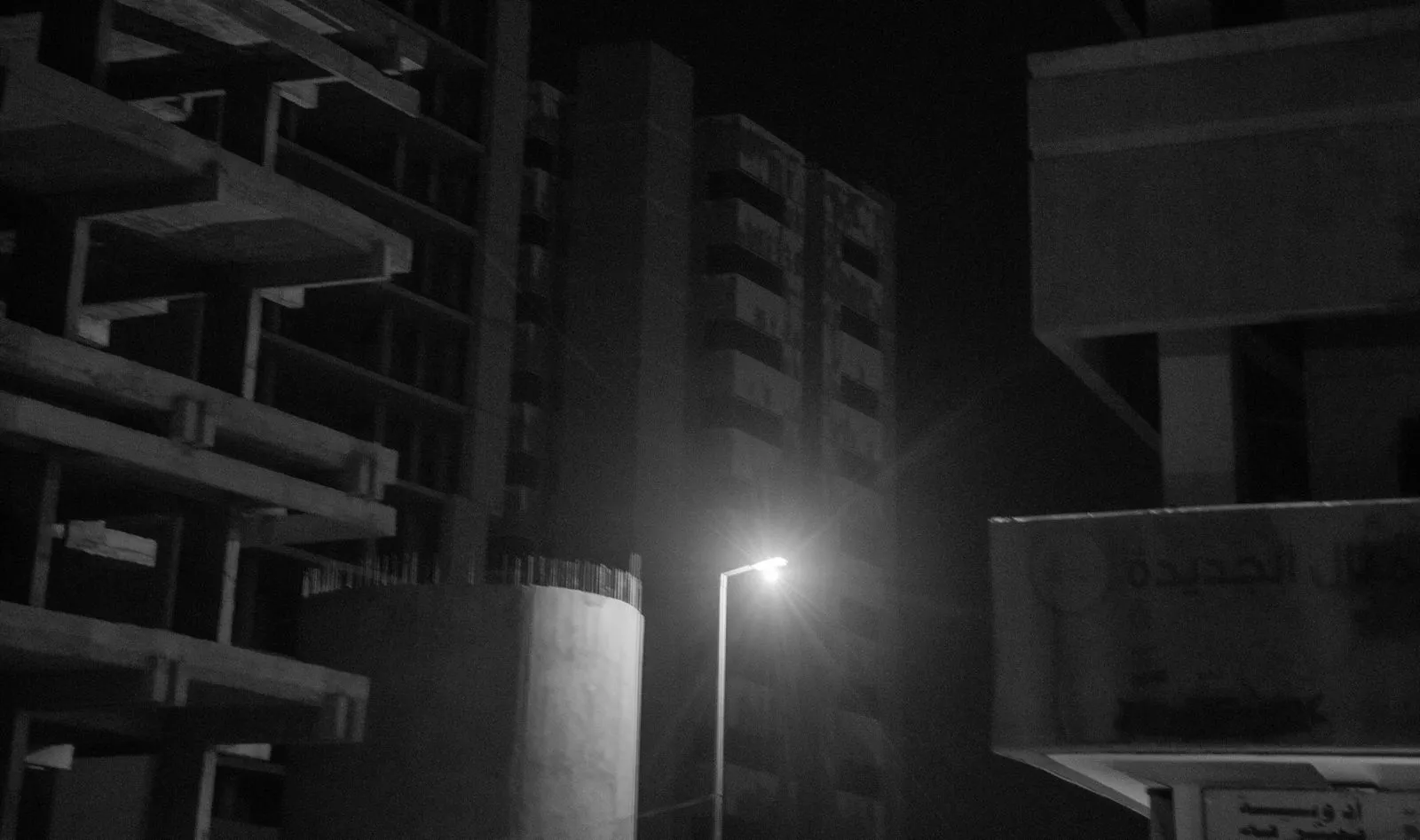
The Muse multi studios announces the fourth issue of The Muse Magazine, an interdisciplinary publication dedicated to critical writing, visual culture, and contemporary artistic discourse from Sudan and beyond. This issue explores “Site and Stance” as both a conceptual and political framework—asking how artists, researchers, writers, and cultural practitioners produce knowledge through practice, and how geography, memory, institutions, conflict, and everyday life shape artistic positions.
At a time when Sudan continues to undergo profound political, social, and cultural transformation, this issue seeks contributions that engage with art not merely as representation, but as a system of knowledge, resistance, and critical imagination. We welcome submissions from artists, curators, critics, architects, urban practitioners, researchers, and writers working across disciplines.
Art as knowledge
Institutional critique and funding politics
Writing, and visual historiography
Art in public space and everyday life
Authorship, conceptual practice, and contemporary Sudanese art
Formats may include critical essays, research texts, interviews, visual essays, personal reflections, artistic projects, photography, and experimental editorial formats.
Submission deadline: 30th June 2026
Languages: Arabic & English
Email: themuse.sd@gmail.com
Read further on this issue’s theme below.
If you are a writer, researcher, artist, or someone engaged with arts and culture, and have previous experience or attempts related to the proposed context, you may submit your contribution via email to: themuse.sd@gmail.com
Please include:
Submissions are open to contributors of all nationalities and disciplines, provided the proposal aligns with the themes of the issue.
Submission Period: 16th May 2026 – 30th June 2026
Original and unpublished articles or projects are preferred.
Participation is voluntary. No financial compensation is offered.
Critical Contributions
Artistic Projects
Articles
Note: Contributions may be submitted in either Arabic or English. All accepted contributions will be translated accordingly. Please attach your biography and all relevant supporting materials with your submission.
In this issue, we seek to investigate the deep connections between art as a form of knowledge and the Sudanese and regional realities, beginning from the premise that art is not merely a representation of reality, but rather a tool for penetrating, understanding, and deconstructing it. This journey begins with a central question: how is knowledge produced about the arts, and through the arts themselves? Through their daily practice in the studio, the artist does not merely produce an aesthetic object, but formulates a vital form of knowledge that emerges through engagement with material, memory, and lived experience.
When read through the lens of “site”, this artistic knowledge becomes a conscious response to the political and social conditions shaping Sudan today, where the act of painting cannot be separated from the act of thinking, and where the artwork itself becomes inseparable from philosophical inquiries into existence and identity. At the heart of this inquiry lies a tension between local forms of knowledge emerging from Sudan’s public sphere and the epistemic frameworks imposed by colonial institutions and subsequent forms of cultural hegemony. In this context, The Muse Magazine becomes a project aimed at reclaiming autonomy over the writing and documentation of artistic knowledge. Such documentation cannot be detached from art itself; rather, it extends it. Critical writing and visual documentation thus become acts of resistance that refuse dependency. From here, institutional critique emerges as a fundamental pillar—examining centralization within Sudanese art, questioning structures that confine art to select elites, and critically engaging with European supporting institutions whose funding policies and bureaucratic mechanisms often frame Sudanese creativity within externally constructed narratives. At the same time, there is an equally urgent need to critique local institutions, which at times operate through social hierarchies and power relations that obstruct the genuine circulation of artistic knowledge and limit the diversity of audiences.
The transition from production to reception requires an understanding of the aesthetics of everyday life, where art acquires its epistemic function through its presence in the spaces of dwelling, clothing, food, and daily living. Educational methodologies reflect this by positioning art as a means of knowledge, transforming the objects around us into laboratories of aesthetic and ethical consciousness. In this context, art becomes an ethical form of knowledge, restoring significance to the concept of authorship and reshaping the relationship between human beings and their environments.
When we ask: Does art become knowledge within the exhibition space, or beyond it? The answer lies in the ability of Sudanese art to move beyond the white walls of galleries and engage with the street, the region, and public life—becoming an active force in social transformation.
These themes are proposed as open and flexible frameworks for writing and research, intended to encourage contributors to think critically and deeply about the artist’s site and stancewithin contemporary visual practice. They serve as an invitation to engage critically with artistic practice not as an isolated technical act, but as a living process of knowledge production—one that examines how art is formed as an epistemic practice capable of shaping our understanding of reality and its transformations in Sudan and the wider region.
Axis One: The Epistemology of Art (Art as Knowledge)This axis focuses on the epistemic function of art, moving beyond its decorative role toward understanding art as a system for producing knowledge.
Axis Two: Sociology of Institutions and Critique of Artistic DiscourseThis axis examines the structures of power that govern the presentation and circulation of art, both locally and internationally.
Axis Three: Writing and Recording KnowledgeThis axis explores the mechanisms through which visual art is transformed into written material, and the politics governing that transition.
Axis Four: Manifestations of Knowledge in Everyday Life and EducationThis axis focuses on the applied role of art in shaping collective consciousness and educational systems.
Axis Five: Conceptual Practice and the Centrality of Artistic AgencyThis axis addresses contemporary questions of artistic identity and intellectual ownership.
March 15, 2026
January 14, 2026
December 9, 2025