
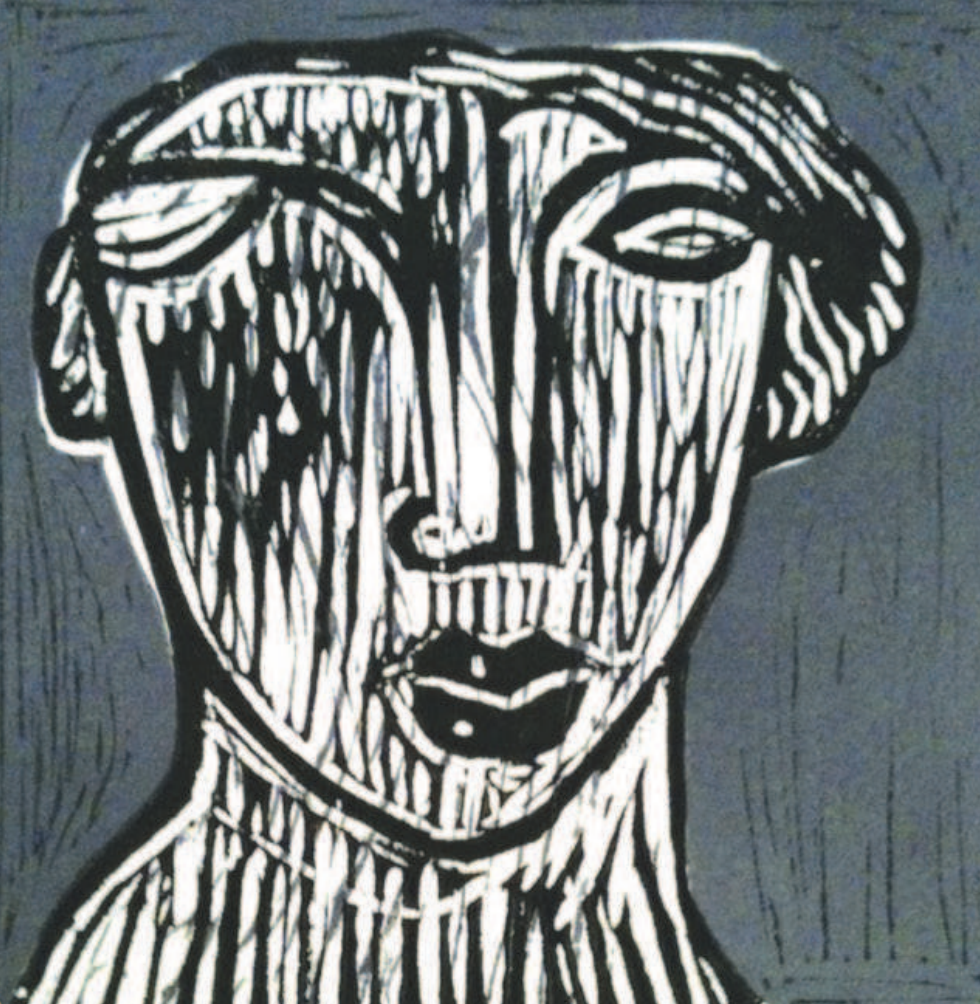
The public program of Issue 04 of The Muse Magazine on “Site and Stance”: A reading of the book “The Misery of Knowledge, The Critique of Arab Visual Arts”
Date: Saturday, 25 July 2026
Time: 5pm – 7pm Sudan Time
The Muse Magazine is an annual publication devoted to art, culture and criticism, issued by The Muse multi studios. Launched with its first issue in September 2023, the magazine set out to be a leading platform in the current cultural scene, one focused deeply and primarily on the movement of visual arts and contemporary artistic practice in Sudan and the surrounding region.
The magazine was founded on the conviction that art is a fully-fledged “system of knowledge,” capable of deconstructing reality and shaping consciousness. Across its successive issues, the magazine seeks to build bridges between hands-on practice in the studio, philosophical inquiry, and sociological and historical research. In its previous issues, the magazine has traced questions of identity and historiography (Issue 01, 2023), the conditions of war, displacement and archiving (Issue 02 on “Documentation and Archiving”, 2024), and borders, regional intersections, and exile (Issue 03 on “Borders and Intersections”, 2025), arriving, in its current fourth issue (2026) on “Site and Stance”, at an examination of the question of “Knowledge and Art.”
While the editorial board prepares Issue 04 investigates the theme of “the recipient” and the pathways through which artistic knowledge is transmitted, this event arrives to open a living discussion that intersects directly with that essential question. The book “The Misery of Knowledge, The Critique of Arab Visual Arts” offers a courageous critical entry point for deconstructing the structural problems that afflict critical writing in our region.
The choice to discuss this book on 25 July 2026 aims to place Sudanese and regional visual practice under the microscope of epistemological scrutiny: How do we read art? How do we record it? And who holds the authority—academic, European institutional, or local networks of relationships—to determine what gets written and what gets marginalized? It is an attempt to connect the artist’s “site” within the geography of the region to their intellectual and ethical “stance” on the issues facing their society.
The Event Aims to:
- Enrich the critical narrative of Issue 04: Opening a living laboratory of ideas that supplies the book and its contributors with fresh perspectives and angles to strengthen the articles currently in preparation.
- Deconstruct epistemological centrality and dependency: Discussing the arguments the book presents regarding the crisis of Arab and regional criticism, and exploring ways to break free from the ready-made frameworks sometimes imposed by the policies of Western funding bodies and institutions.
- Community networking: Creating an informal, dialogue-driven space that brings together artists, researchers, critics, and students to exchange experiences around the pedagogy of art—both formal and informal.
The session is organised around three main themes, approached with flexibility and diplomacy so as to encourage everyone to take part:
- Theme One: The Crisis of Documentation and the Authority of the Critical Text
- Does the visual art in our surroundings inhabit a state of “epistemological poverty” at the level of writing? And who holds the authority to record this history? How can we break the traditional barriers between the artist (the maker of the image) and the critic (the maker of the text) so that the two integrate in the production of knowledge?
- Theme Two: Institutional Politics, Funding, and the Target Audience
- A critique of the spaces put forward by supporting institutions (both local and European): To whom is Sudanese and regional art addressed today? Is the “recipient” imagined as a genuine local public, or as a network of donors that imposes its own bureaucratic conditions?
- Theme Three: Art in the Everyday, in Education, and the Alternatives of the Diaspora
- How does artistic knowledge manifest in educational curricula and in the details of ordinary life? And how, in the current context of displacement and diaspora, do artists reinvent alternative and informal ways of receiving art and passing it on to future generations?
Event Structure and Schedule
The event is designed as a “roundtable” discussion, dissolving the traditional distinctions between the speakers and the audience:
- 5:00 – 5:20 PM | Reception and Opening Remarks:
- A welcome to the guests, followed by a brief introduction to The Muse Magazine and its journey, and an opening from the guest editor connecting the theme of the current issue to the argument of the featured book.
- 5:20 – 6:10 PM | The Cross-Reading Platform (Roundtable Interventions):
- Intervention (Academic and Research Perspective): Delivered by a researcher in the sociology of art or the theory of knowledge, presenting the central arguments of “The Misery of Knowledge” and comparing them with the educational context and curricula in Sudan.
- Intervention (Artistic Practice Perspective): Delivered by a visual artist, addressing the experience of engaging with the public, and how the artist views their stance and site in relation to contemporary criticism and regional reception.
- 6:10 – 7:10 PM | Open Dialogue and Collective Contributions:
- Opening the floor for attendees to raise their questions, share personal testimonies about art education (within institutions or outside them), and offer their reflections on art as a product of knowledge.
- 7:10 – 7:30 PM | Conclusions and Recommendations for the Magazine:
- Drawing together the intellectual threads of the session, thanking attendees, and inviting them to continue and develop the discussion in the articles of Issue 04.