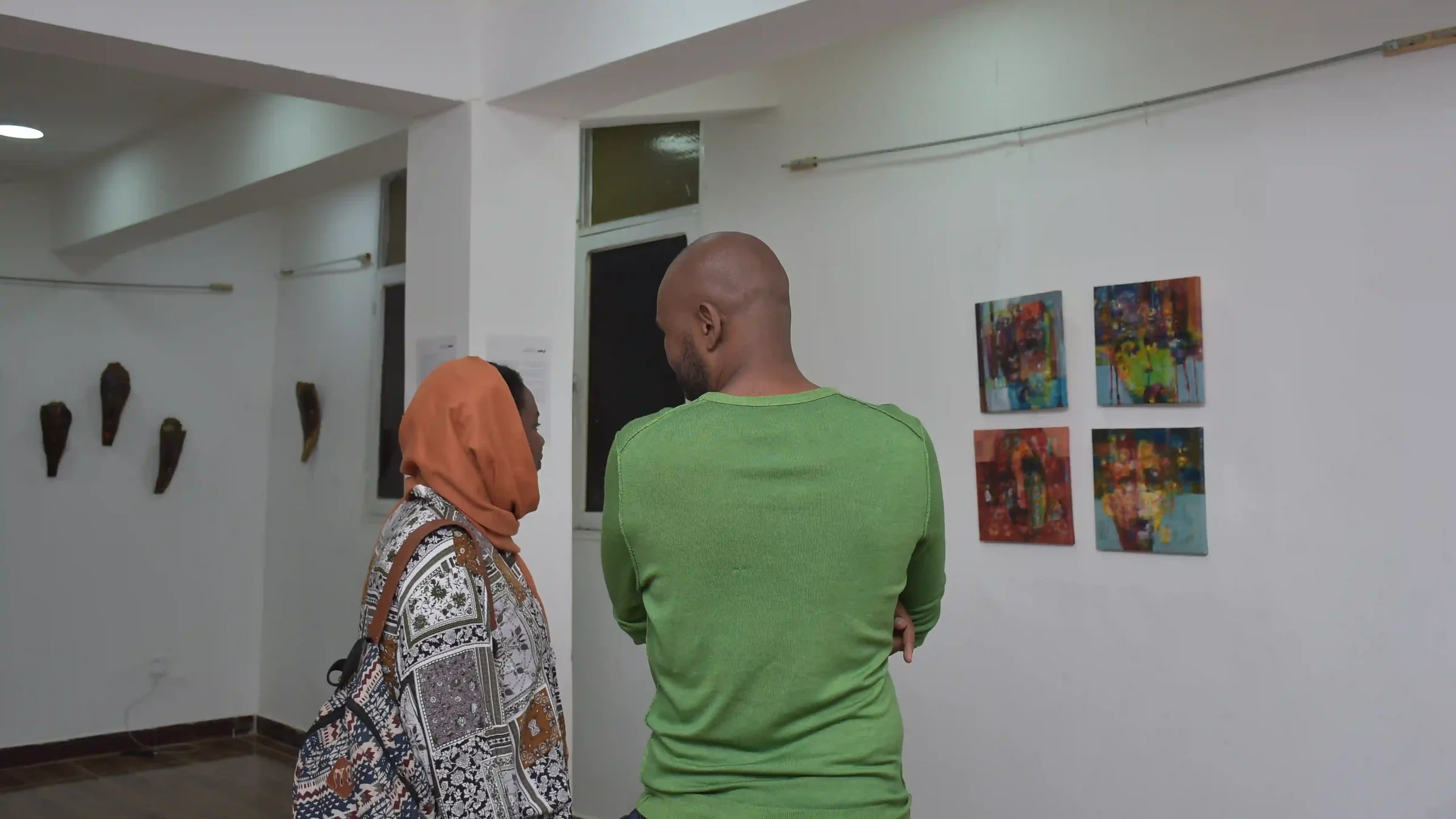
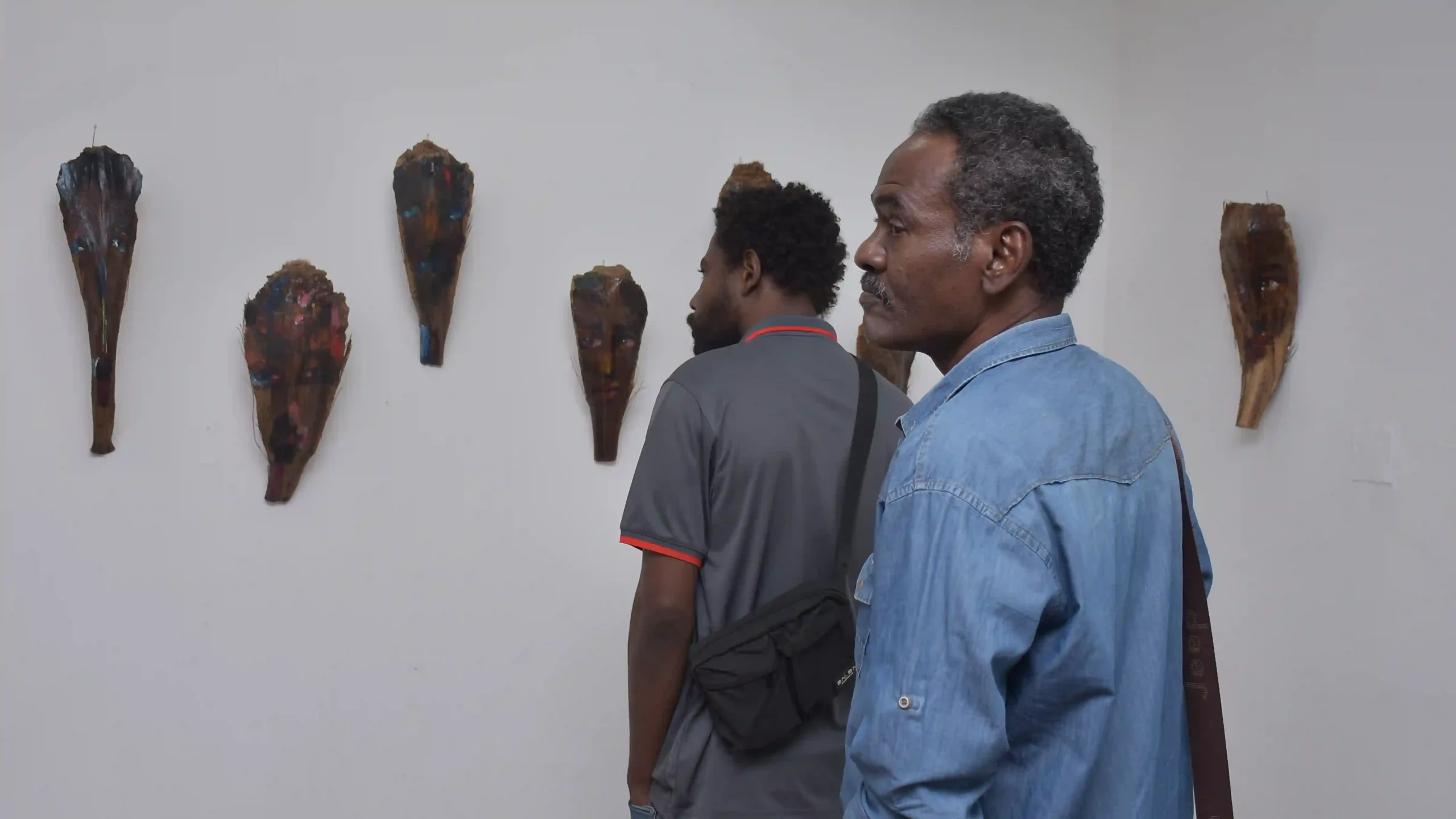
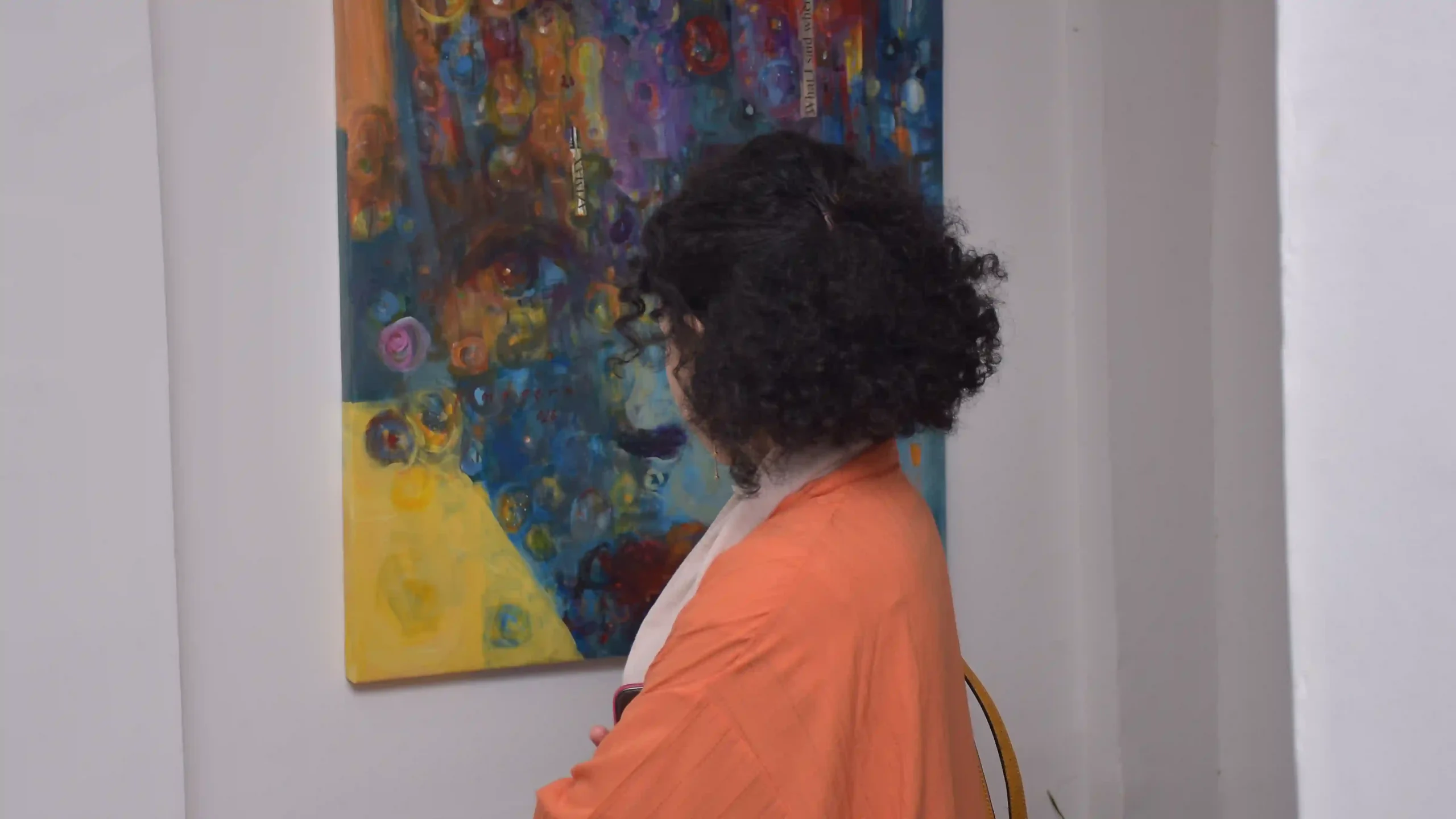
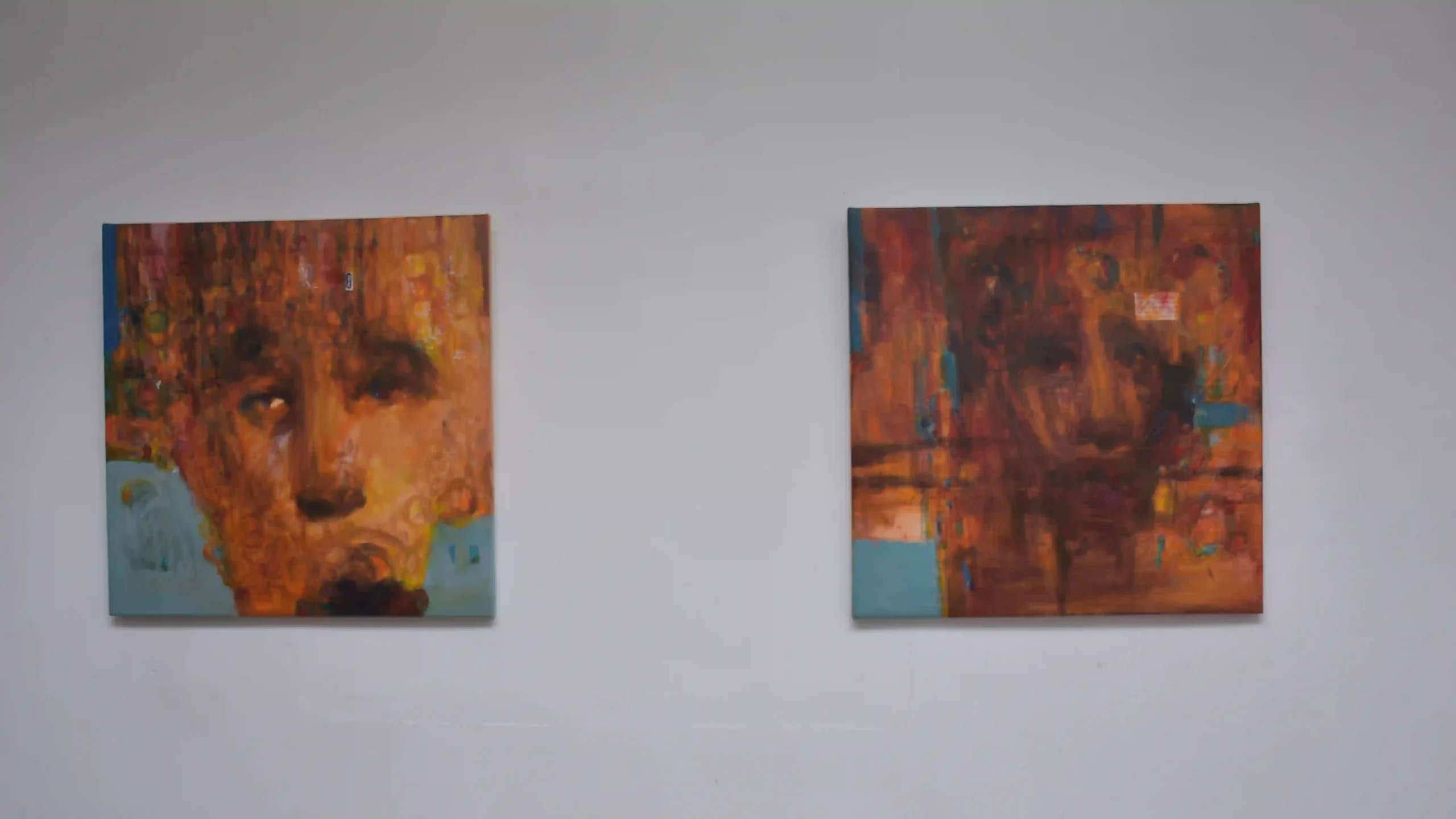
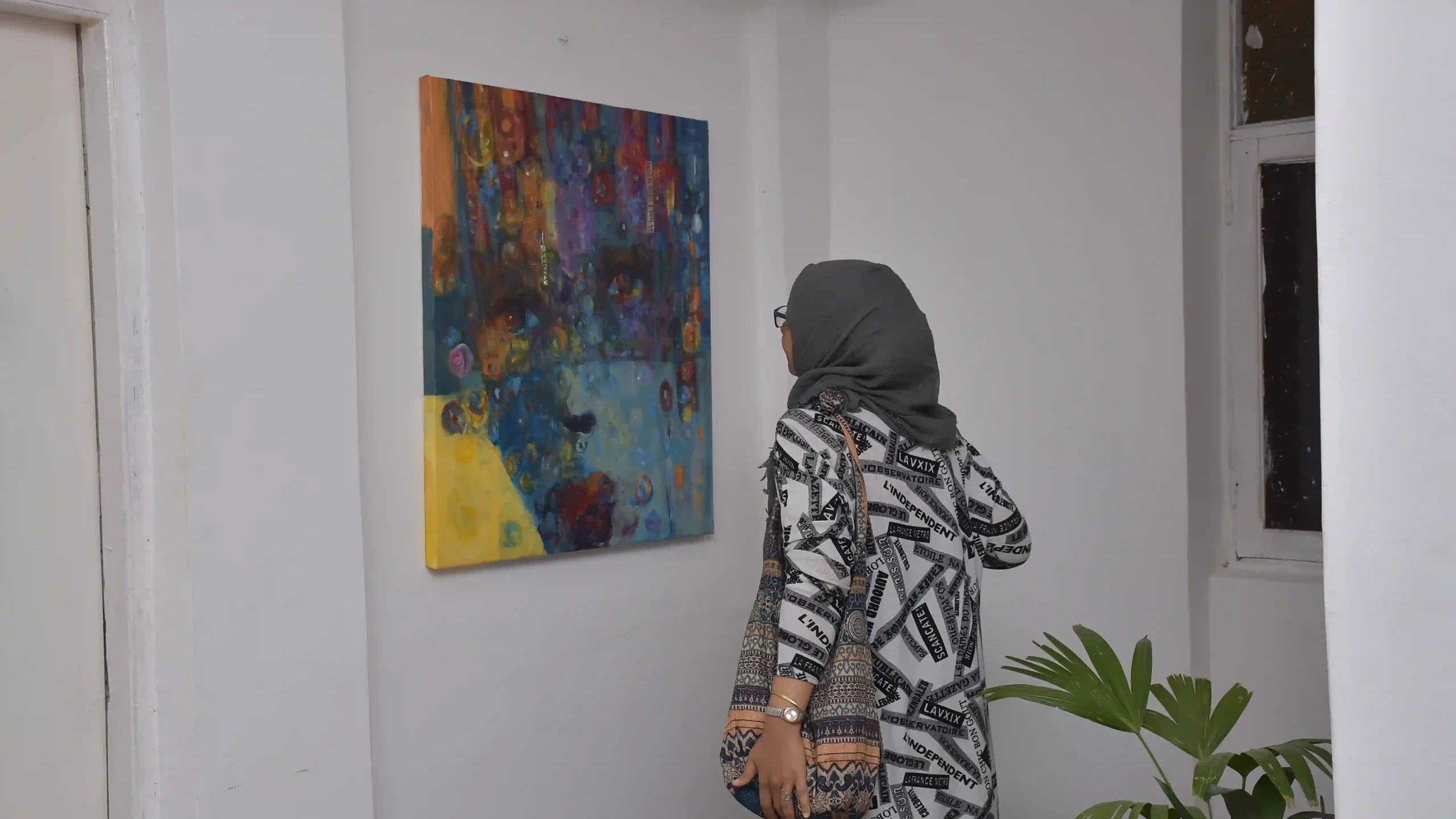
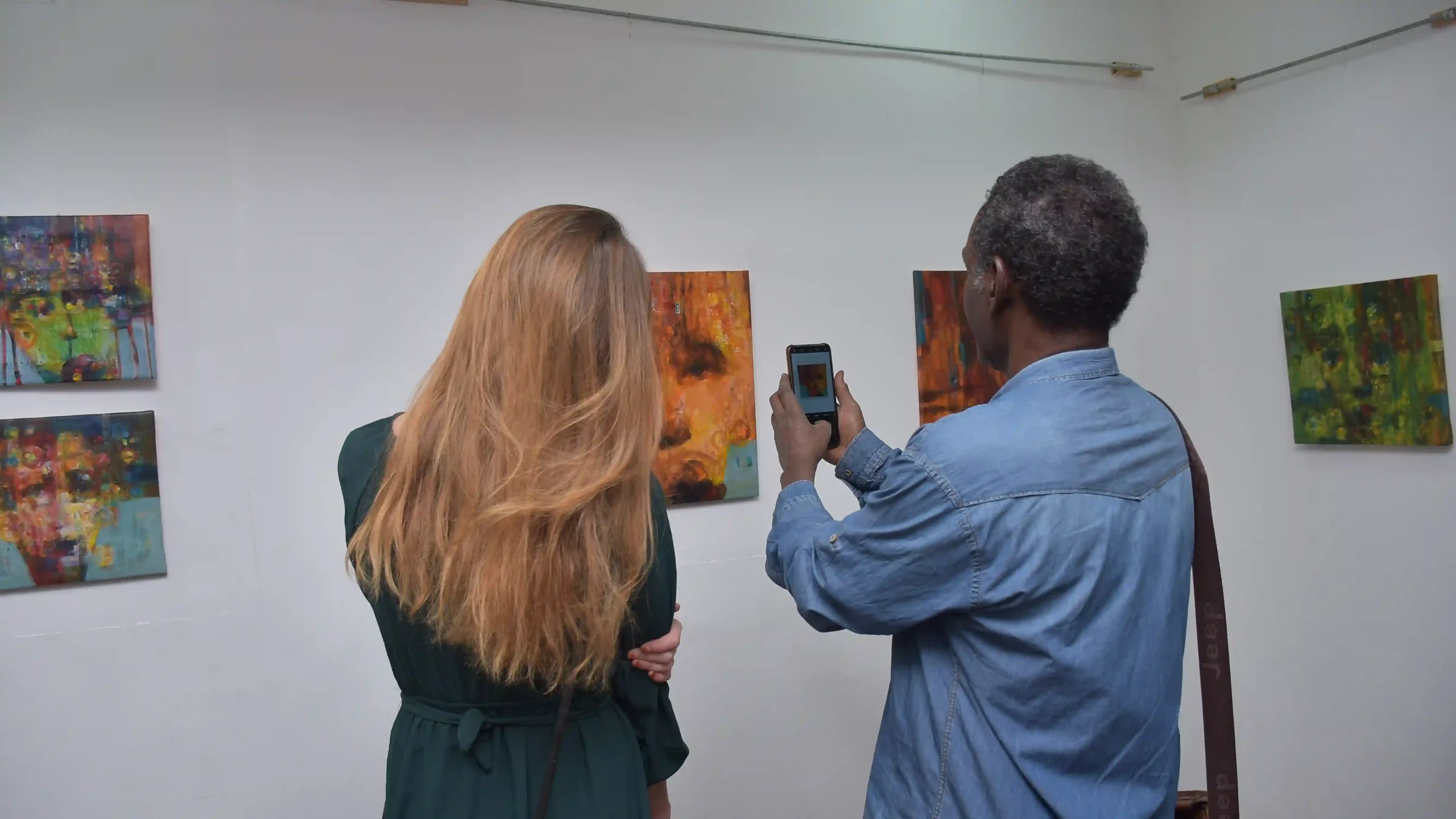
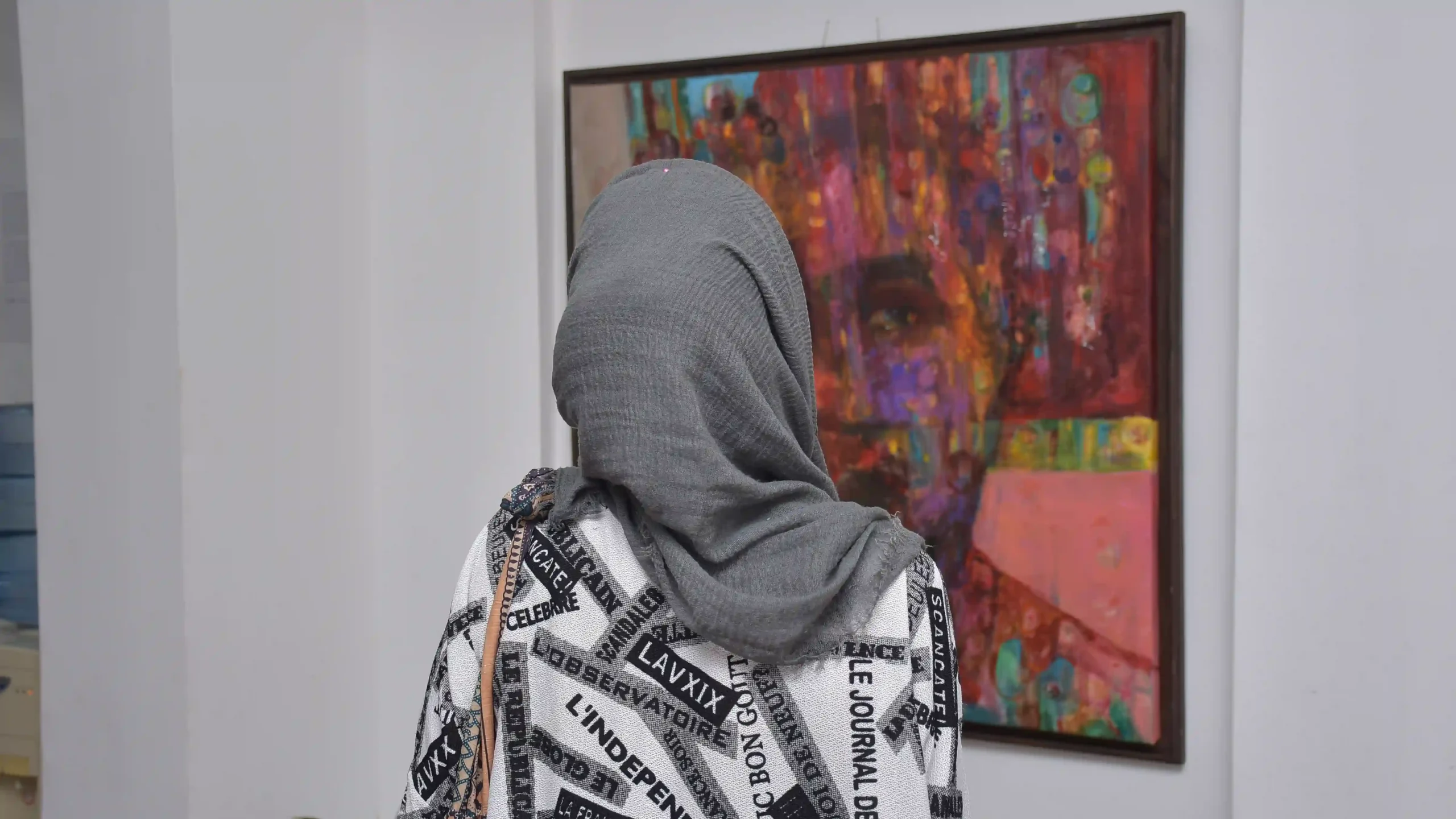
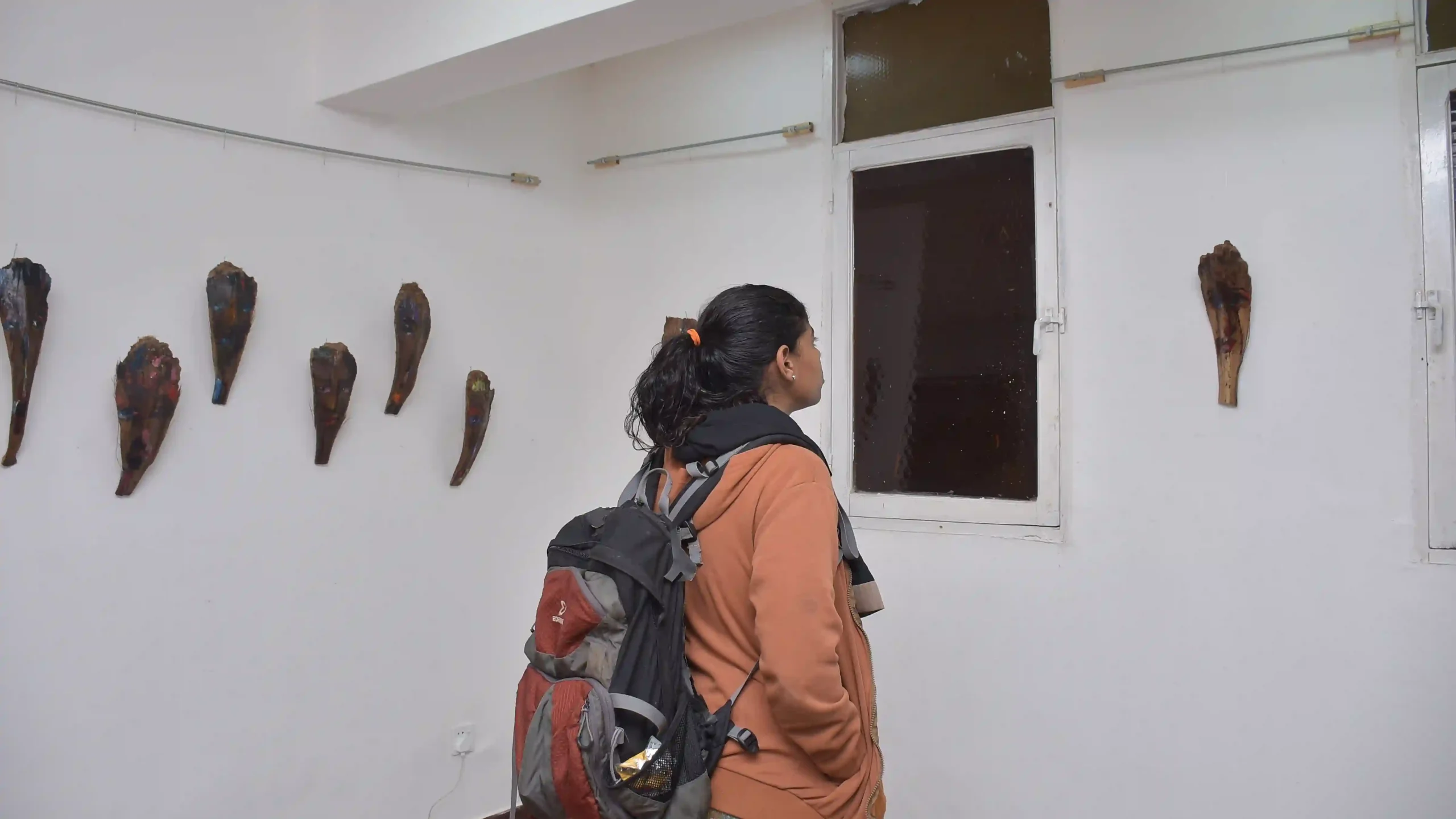
“Art has taken me away from all the physical and economic challenges that people face daily in Sudan, and this is what art does, whether it is music or creative work, all of which distances itself from reality.”
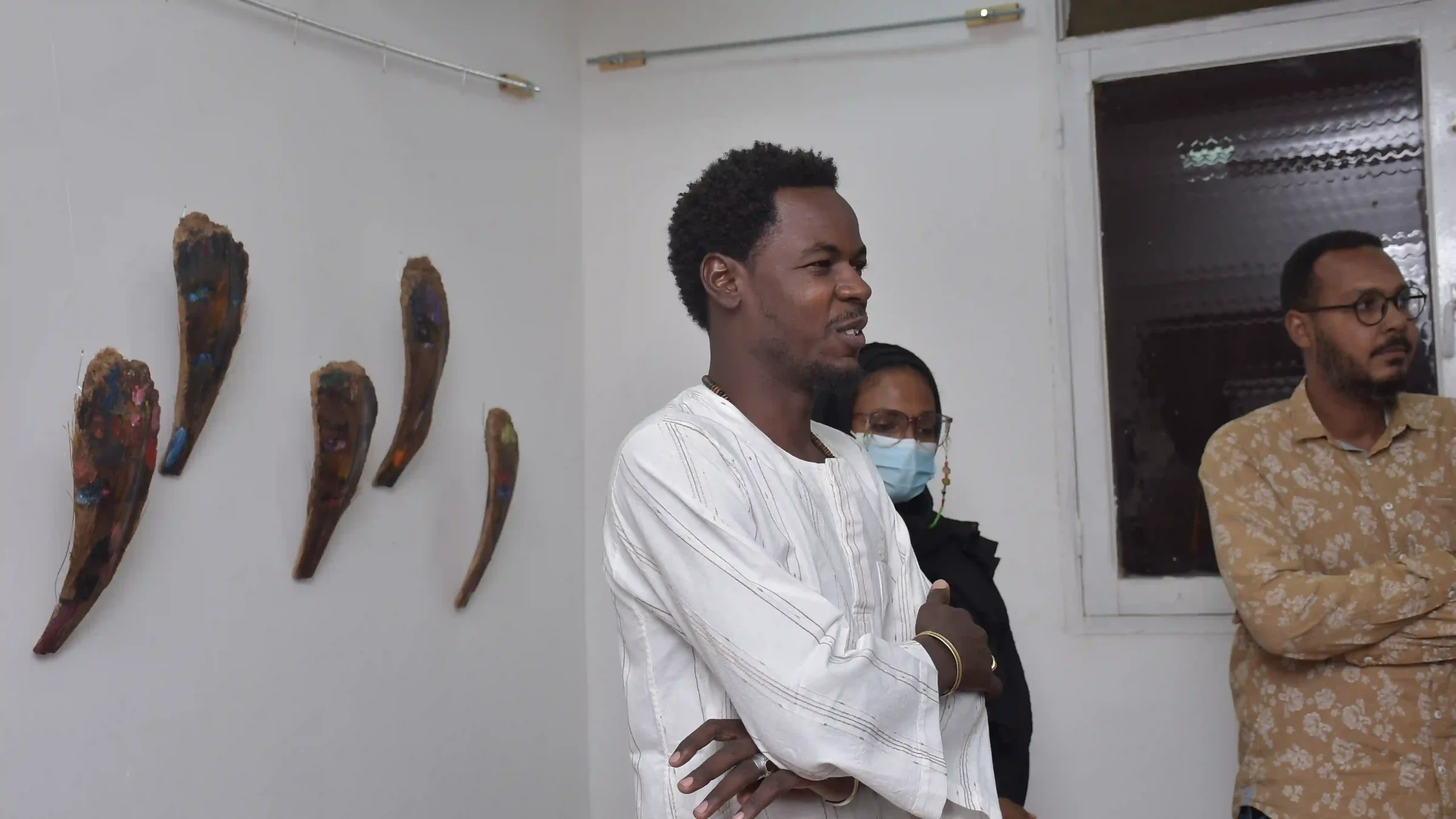
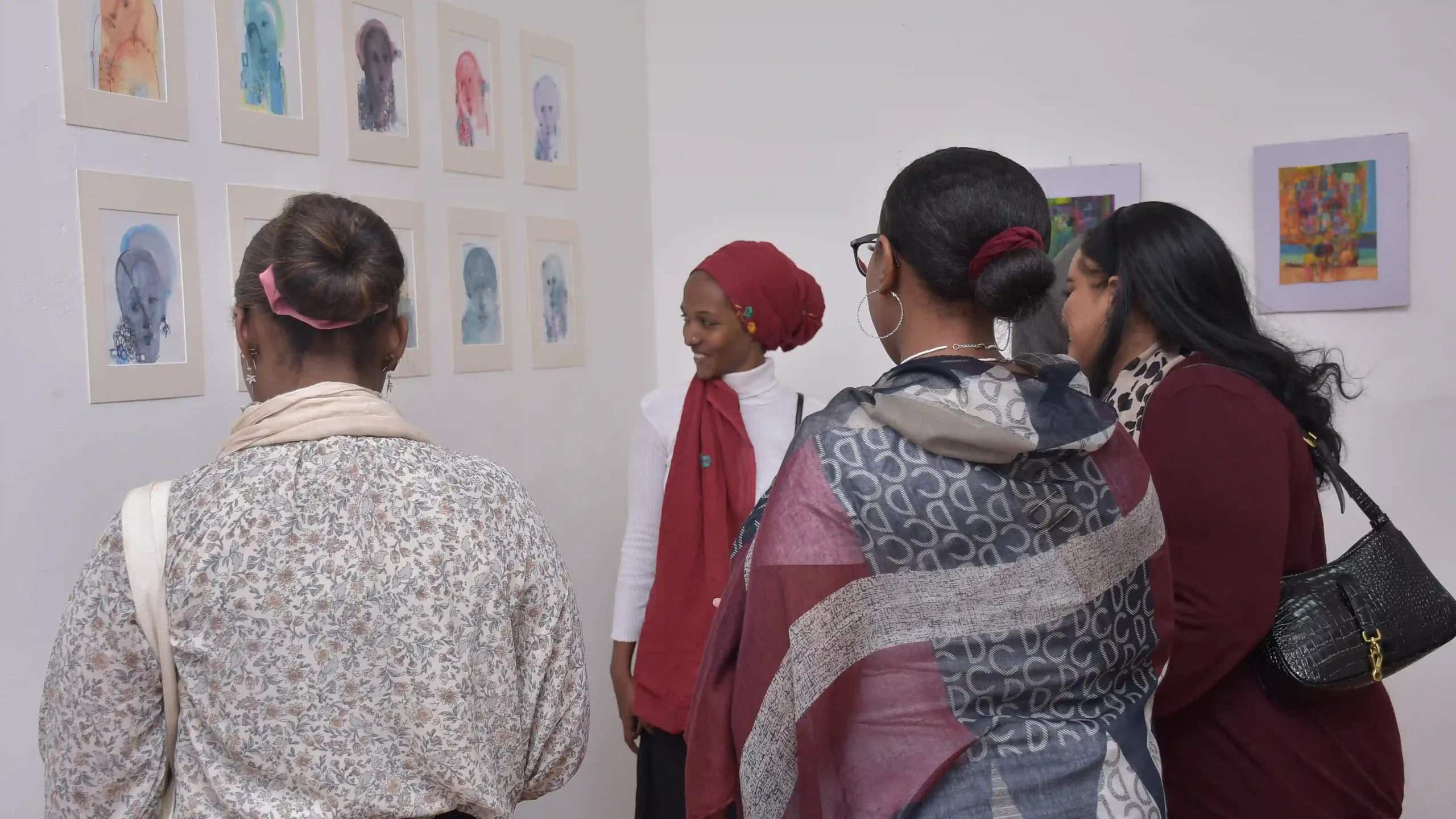
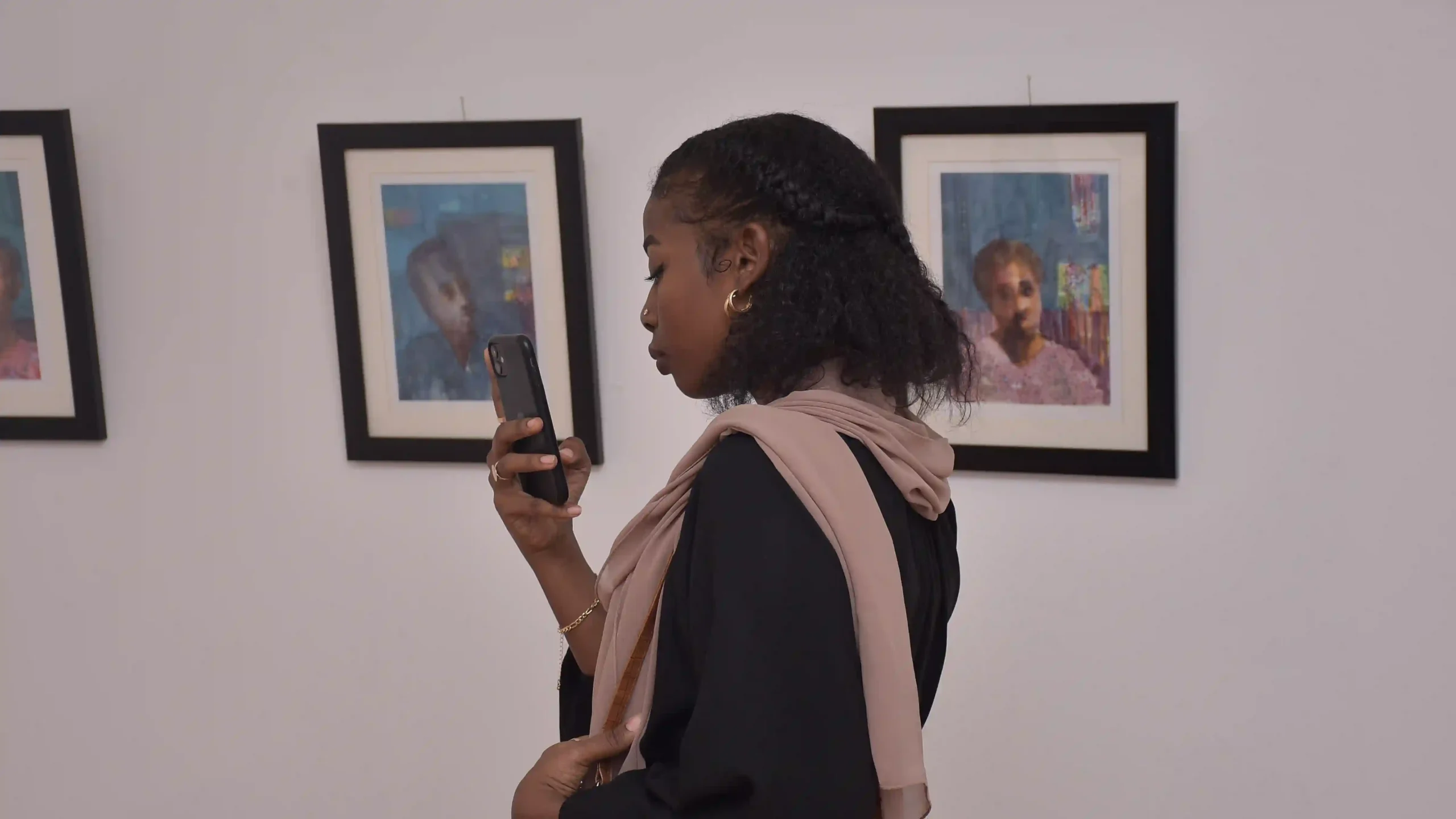
“Almogera’s painting is exceptionally capable of stimulating the viewer’s sense of beauty in various fields, as it moves from collage, isolation, and experimentation to pure abstraction, as other artists have done before, and includes innovative use of media, materials, material properties, design elements, and the new concept of experimentation, all in the process. The employee’s spontaneity and serendipity evoke spontaneous reactions from viewers that are evidence of a transformative experience.”
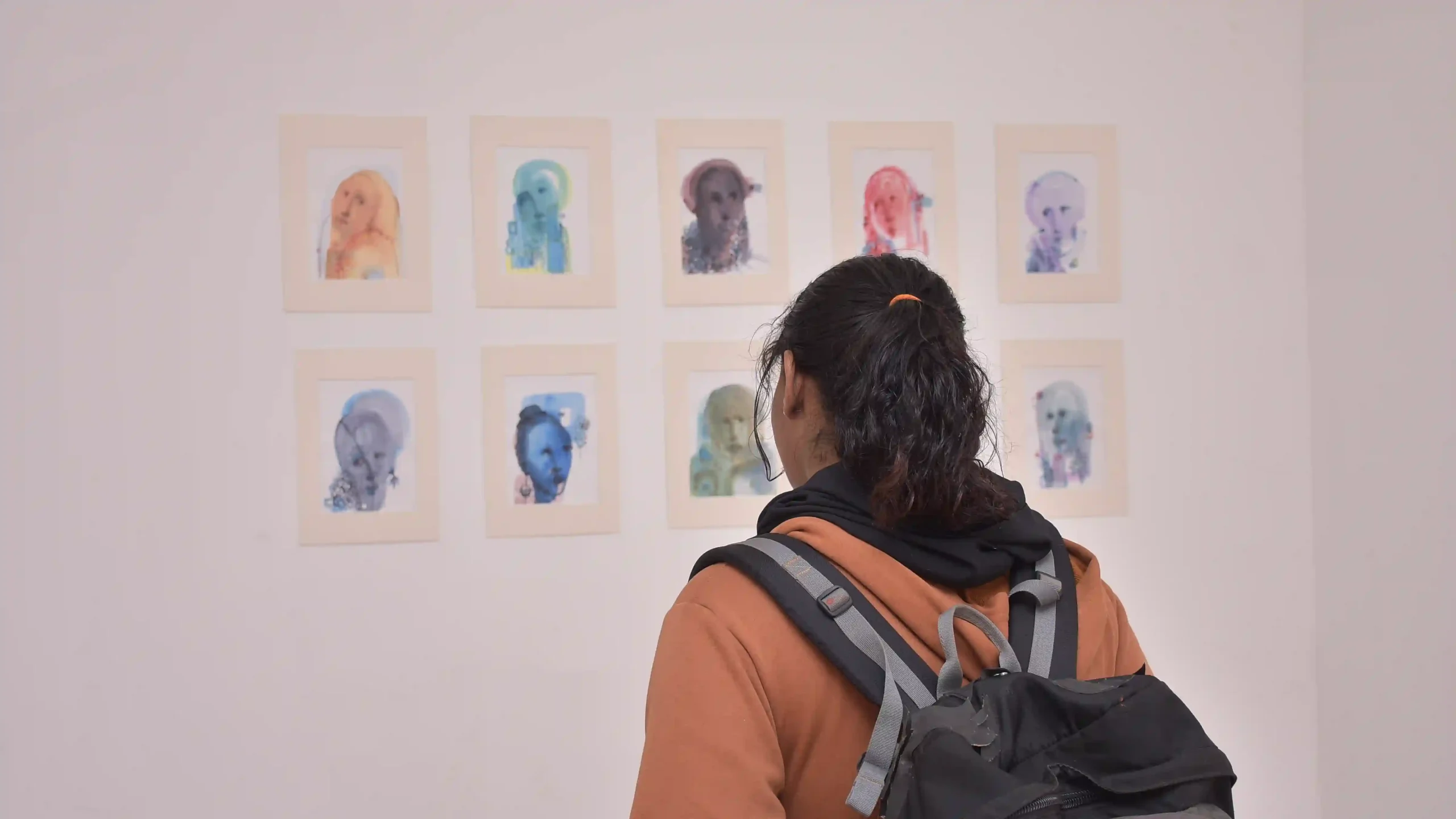
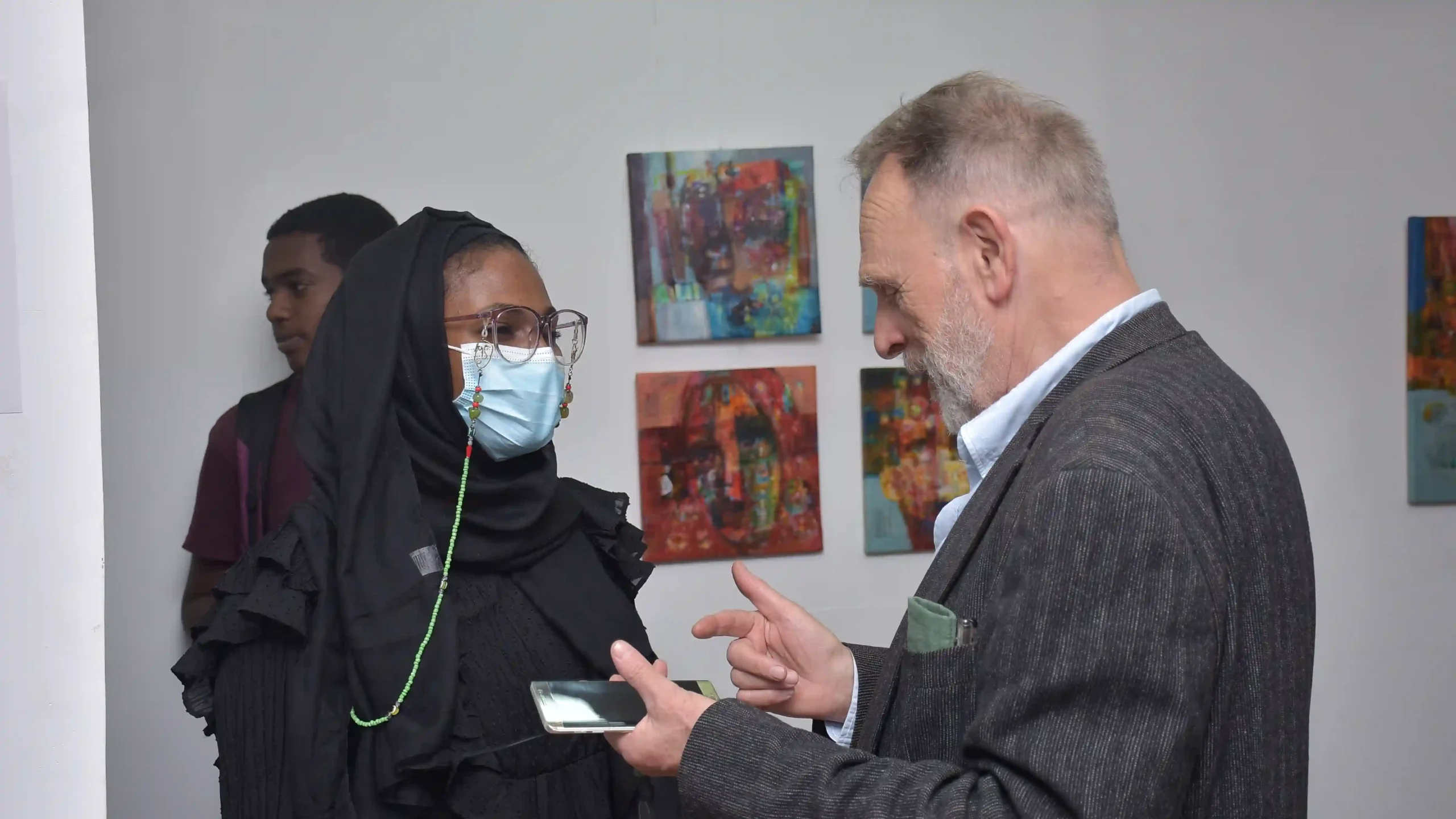
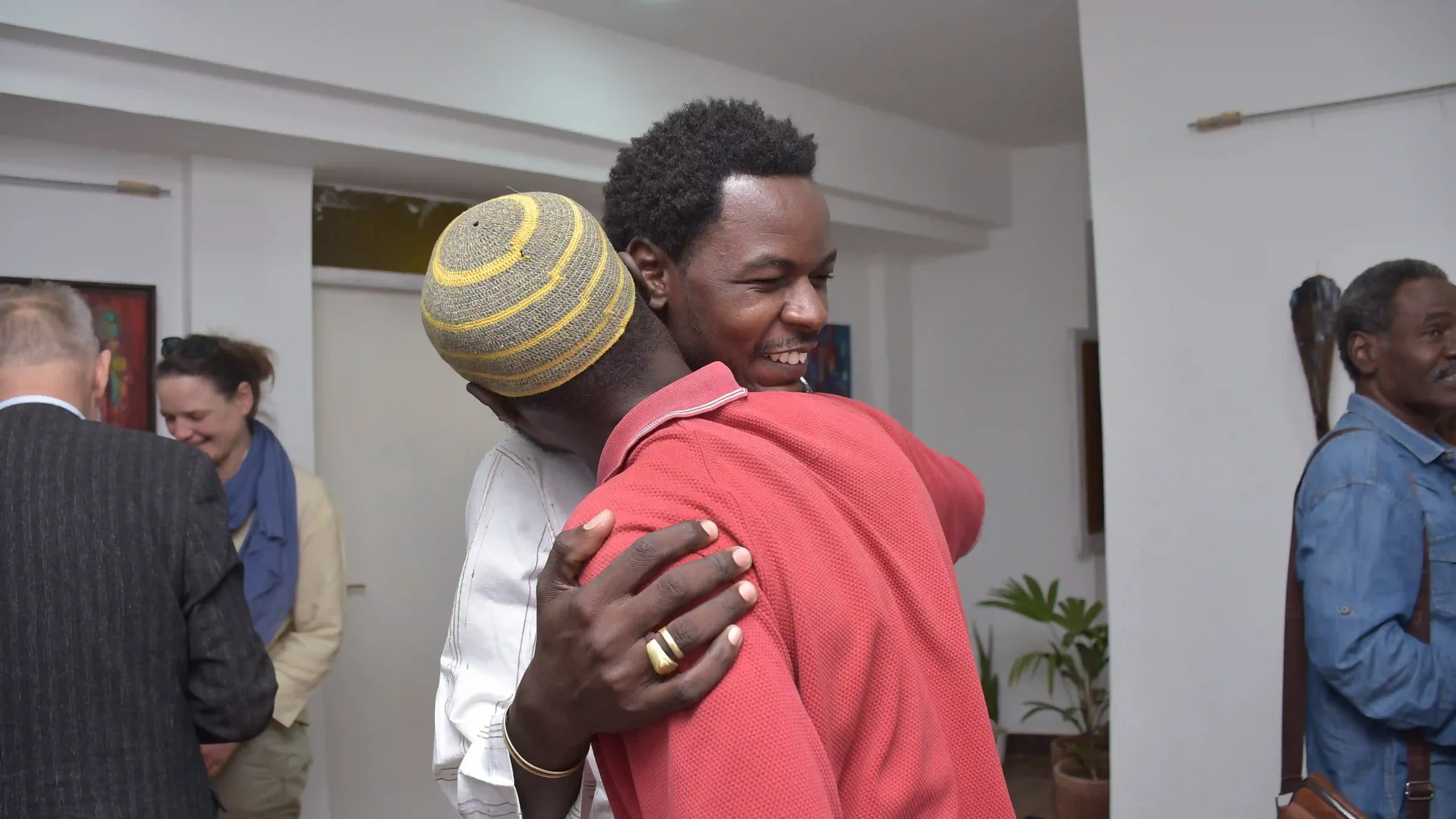
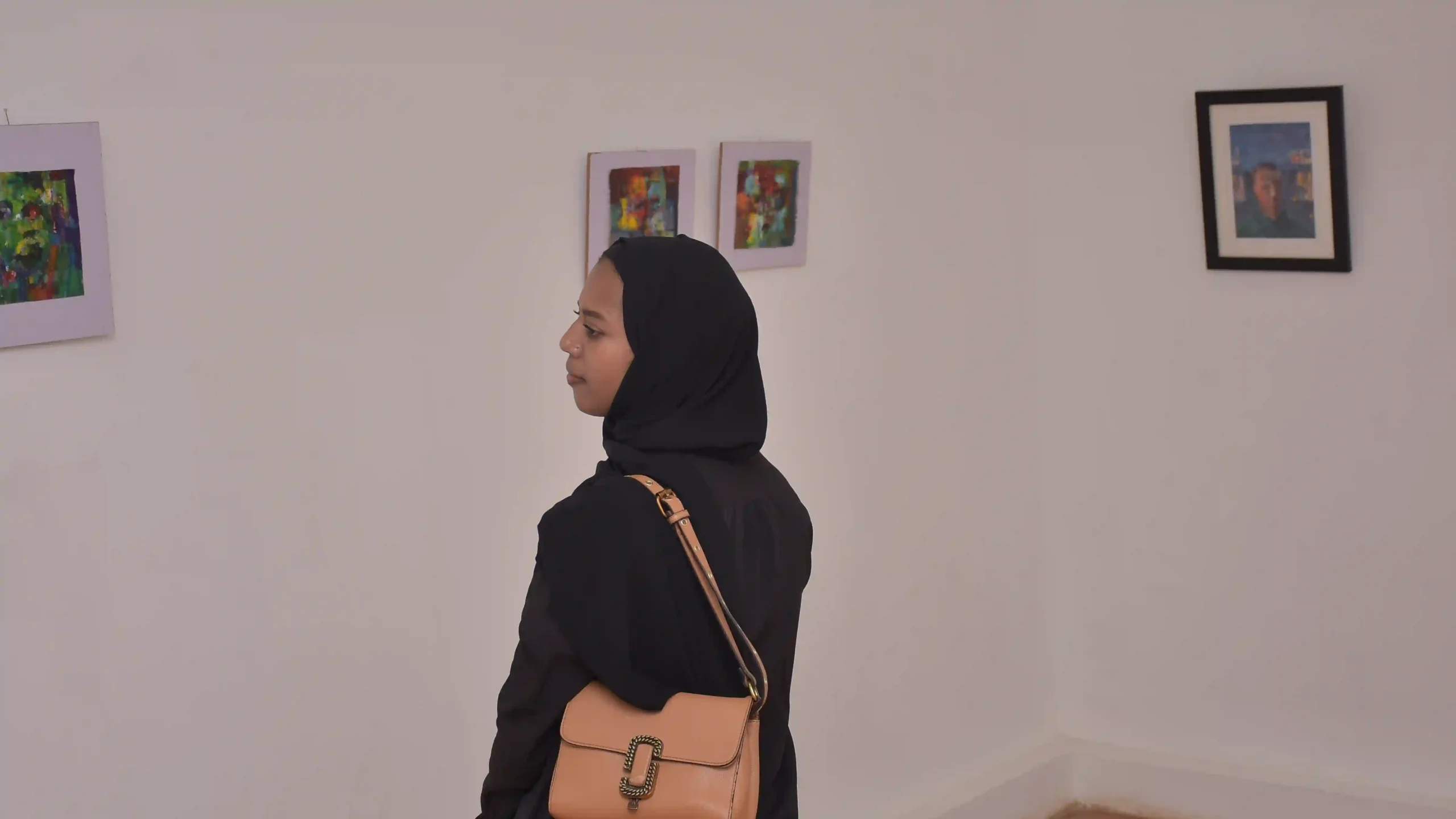
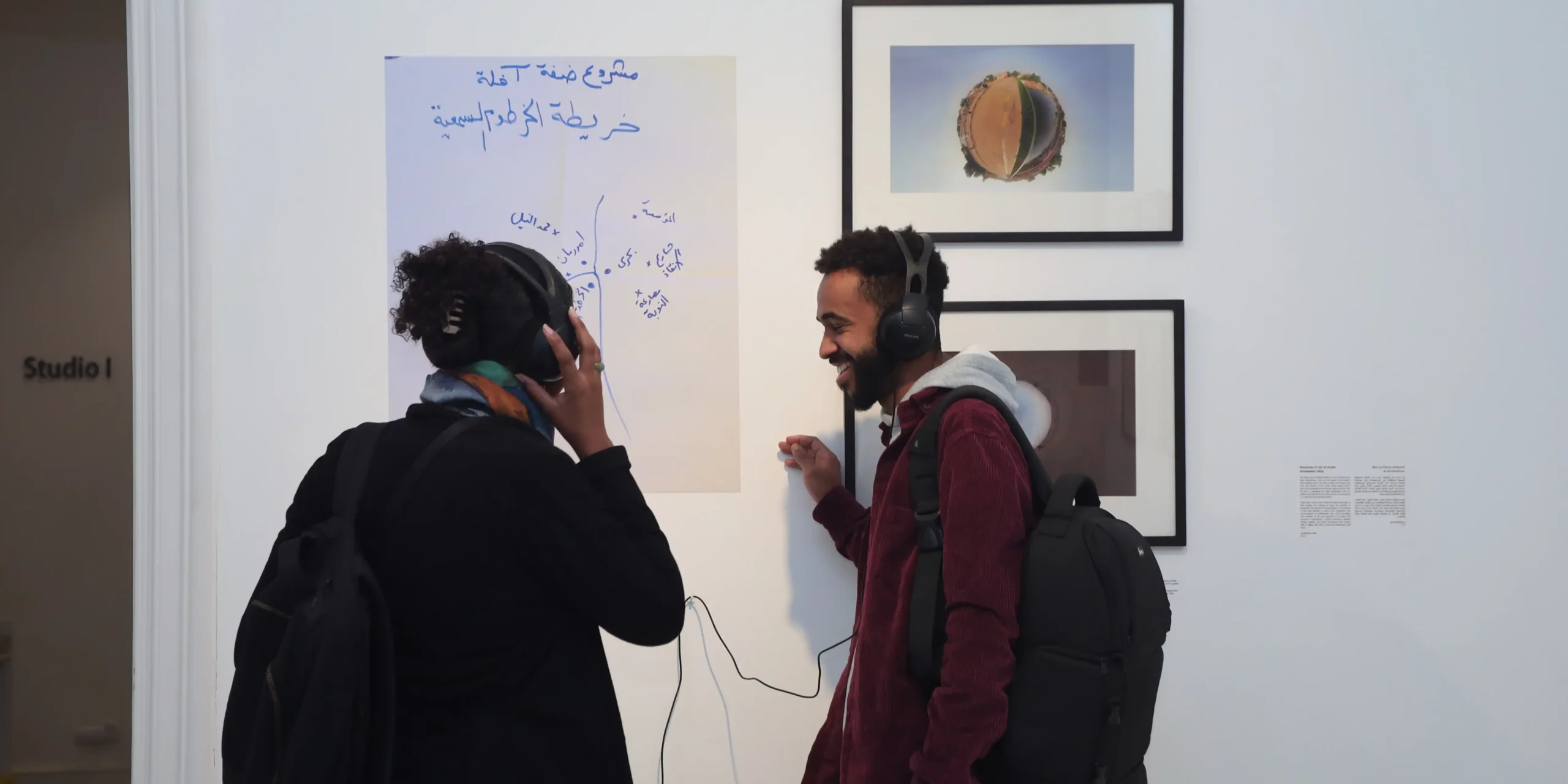
Exhibition Images
The Artist
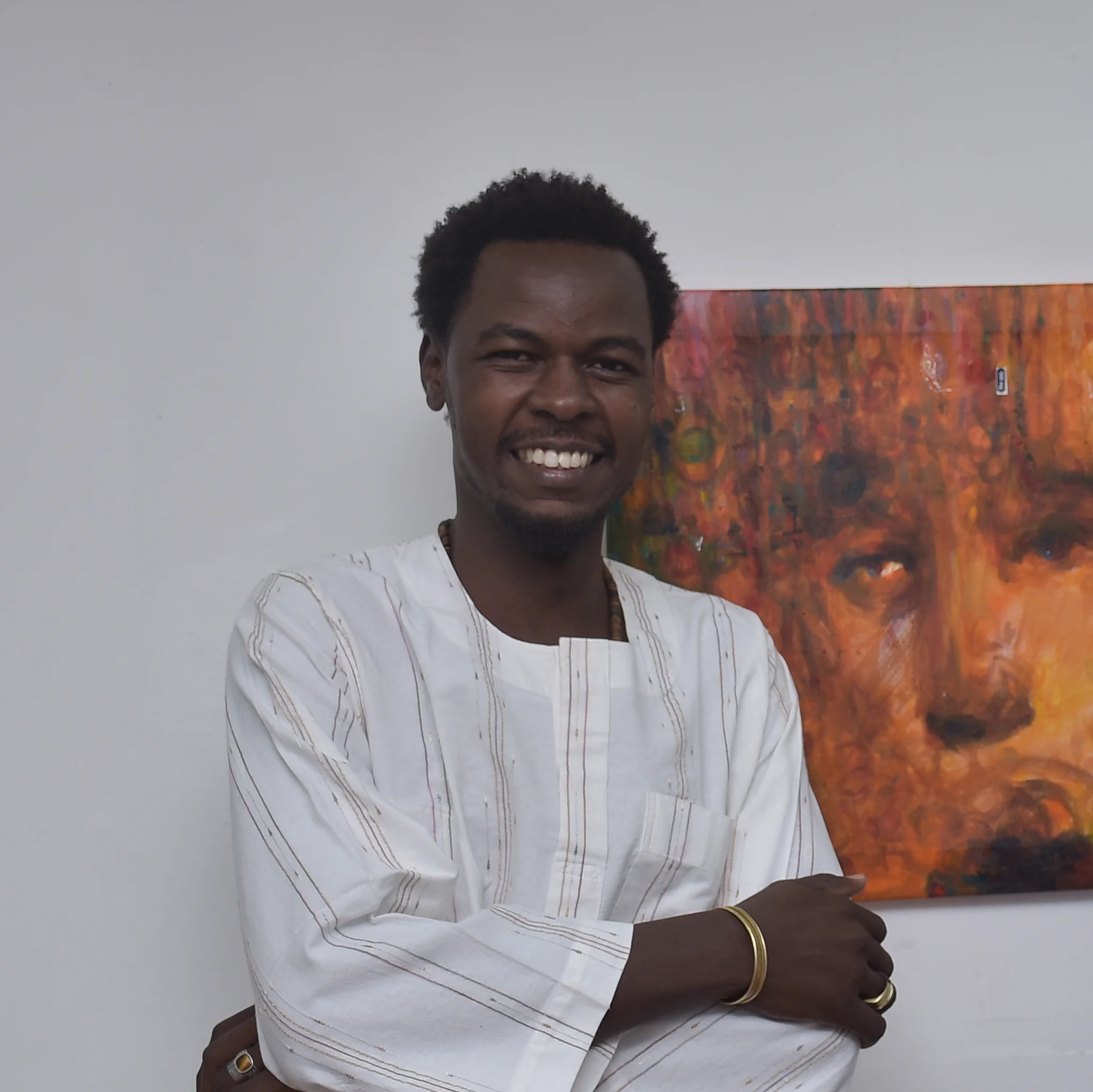
Almogera Abdelbagi
Almogera Abdelbagi Awad is a visual artist based in Khartoum, born in 1994.
He holds a Bachelor’s in Painting from the College of Fine and Applied Arts – University of Sudan.
Illustration Design Diploma – Sudan University of Science and Technology
Almogera participated in many group and solo exhibitions inside and outside Sudan and held many art workshops.
This 12-month fellowship, delivered by The Muse Multi Studios (Sudan Art Archive), Sudan in partnership with Qubit Incubator, Australia supports eight artists from Australia and Sudan to explore alternative, community-driven and living archival practices.
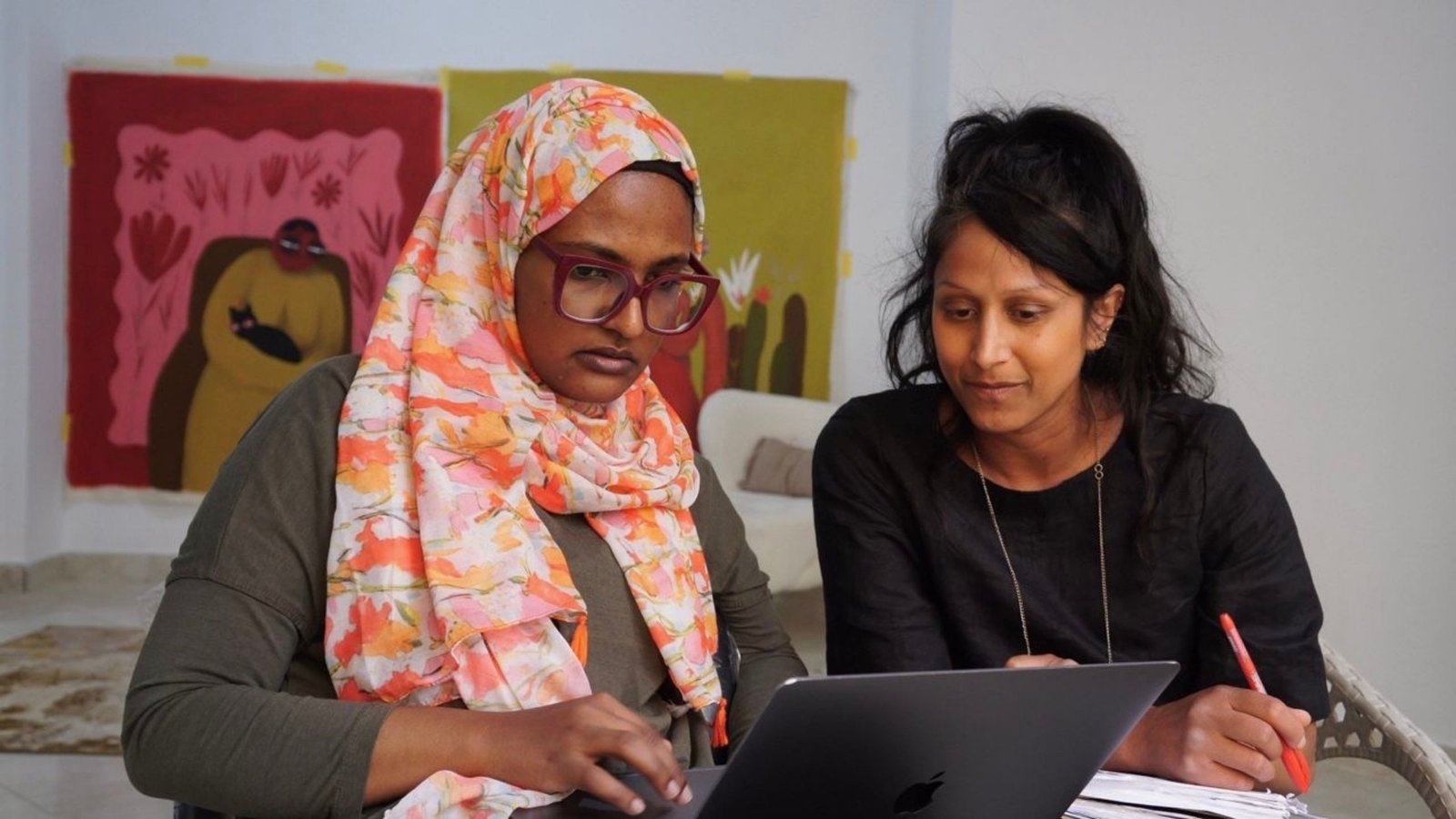
A year of movement, memory, and making space for Sudanese art. In 2025, we moved between cities, borders and questions of place and identity, working with artists to keep artistic memory alive amid uncertainty. This post highlights the work we have done last year and the mission that moves us.
In November 2025, a long-term collaboration in archiving and artistic production was launched between The Muse Multi Studios (Sudan Art Archive) and Qubit Incubator, following several months of online development and exchange.