
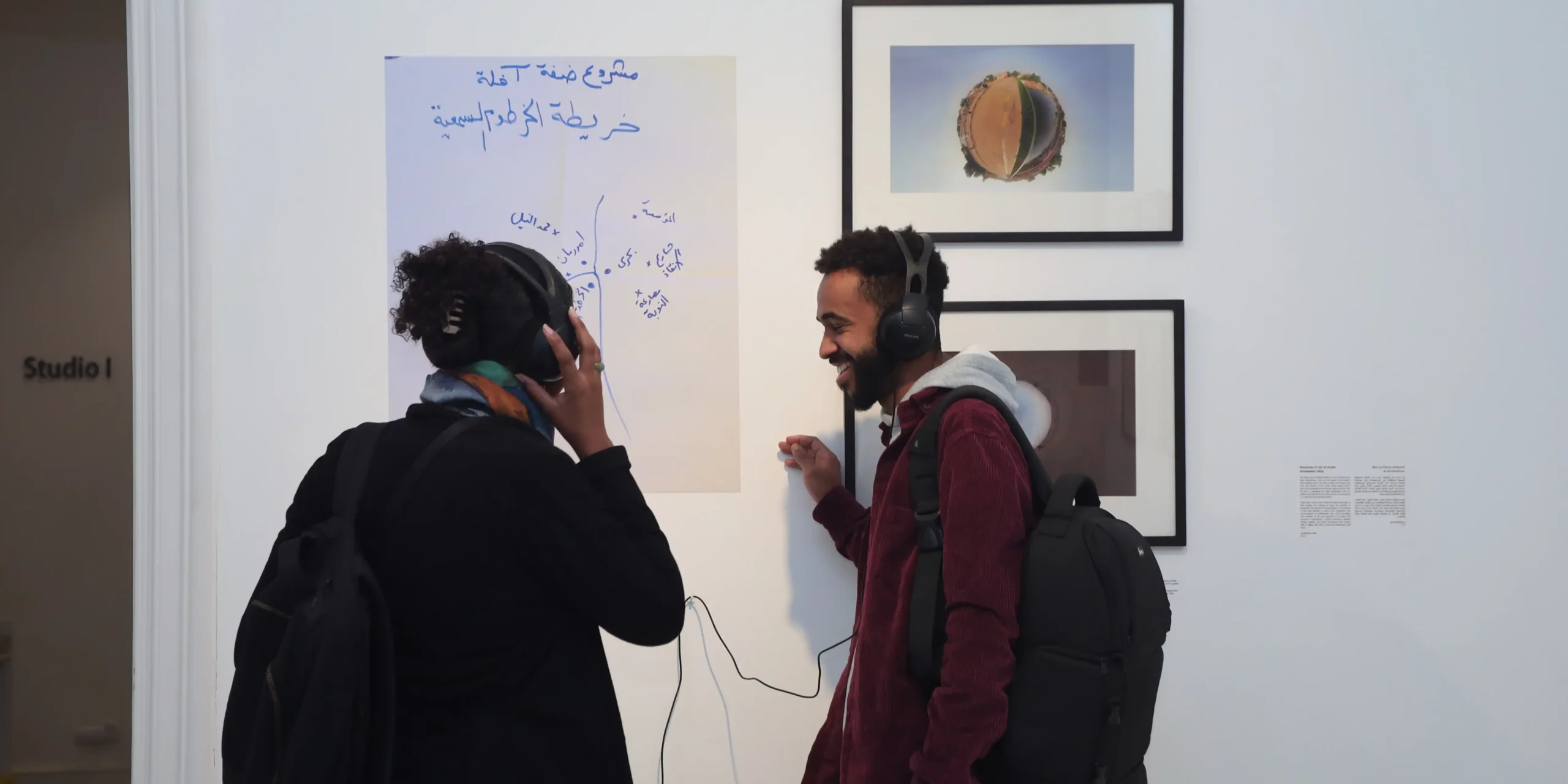
The work of The Muse throughout 2025 unfolded within an exceptional context ــ one that compelled us to rethink the meaning of artistic practice and its role within a Sudanese reality shaped by transformation, displacement, and the fragmentation of structures that once supported cultural production. Our approach was grounded in a belief that art is not separate from lived reality, but rather a tool for understanding it, resisting it, and reimagining it ــ especially in moments when everything that once felt stable becomes vulnerable to collapse.
This perspective understands art first as a form of cultural resistance and knowledge-making; second, as a way of reading spatial and social transformations; and third, as a means of regenerating memory at times when institutions and systems that sustain creative work are breaking down. Art becomes a way to hold onto meaning when formal frameworks no longer offer protection.
Within this context, art functions as a way of reading shifting geographies and social realities, and as a means of preserving memory when institutions recede and archives are placed at risk. Space is no longer simply a site for exhibiting work, but a sensory and intellectual relationship that takes shape through artistic experience itself. The city ــ particularly in times of displacement ــ is not restored as it once was, but is reshaped through traces, longing, and personal experience.
From this starting point, we approached our projects as attempts to preserve what remains of cities in memory ــ not as they appear on maps, but as they live within the bodies and inner worlds of artists. Projects such as Extended Cities did not aim to document cities in a conventional sense, but rather to capture the afterimage of Khartoum, Port Sudan, and Cairo as they exist in the imagination, where personal time intersects with collective history, and where the city becomes an internal experience rather than a fixed location.
Memory remained a central question across all our work. We approached it not as a static archive of the past, but as a living process formed in the moment of its production. As Sudan’s artistic archive faces the risk of disappearance, the artwork itself becomes a carrier of memory and a tool for resisting erasure. This understanding underpins our ongoing engagement with the idea of a “resistant archive,” and the launch of the Sudan Art Archive, through which we view archiving as a cultural and knowledge-based practice rather than a purely technical act.
The artist ــ as a moving body, crossing spaces and borders ــ occupies a central position in this approach. Mobility is no longer a temporary condition, but an existential experience that generates new forms of expression. We approached the artist residency not only as a site of production, but as a space for reflecting on identity once its geographic reference point is lost. In Where We Are Not Named, the absence of place-based naming became an entry point for understanding selfhood and lived experience in a changing world.
Within this framework, we did not view the practices of 2025 as isolated projects, but as part of a collective research trajectory that understands artistic practice as a form of inquiry ــ one that prioritizes asking questions over delivering final answers. Art, for us, is not a direct mirror of reality, but an attempt to build a parallel space where thinking can continue, even in moments of extreme fragility.
Alongside this, our work draws on the notion of social imaginaries ــ the idea that societies reproduce their self-image through symbolic and cultural narratives, not through political facts alone. As traditional structures for shaping collective imagination collapse, art becomes one of the few remaining tools capable of imagining a future form of collective selfhood. This is what positions The Muse’s activities not merely as visual art projects, but as efforts to rebuild the imagined layers of society.
Within this multifaceted framework, The Muse moves beyond its role as an exhibition platform to become a knowledge mediator between artist, place, memory, and collective narrative. Art here is not a reflection of reality, but a means of producing another reality ــ one more capable of holding human experience within the context of war. The projects implemented throughout the year are grounded in the belief that artistic practice can generate a parallel space ــ fragile, yet necessary ــ that allows sustained reflection on the city, the self, and history at a time when collapse accelerates.

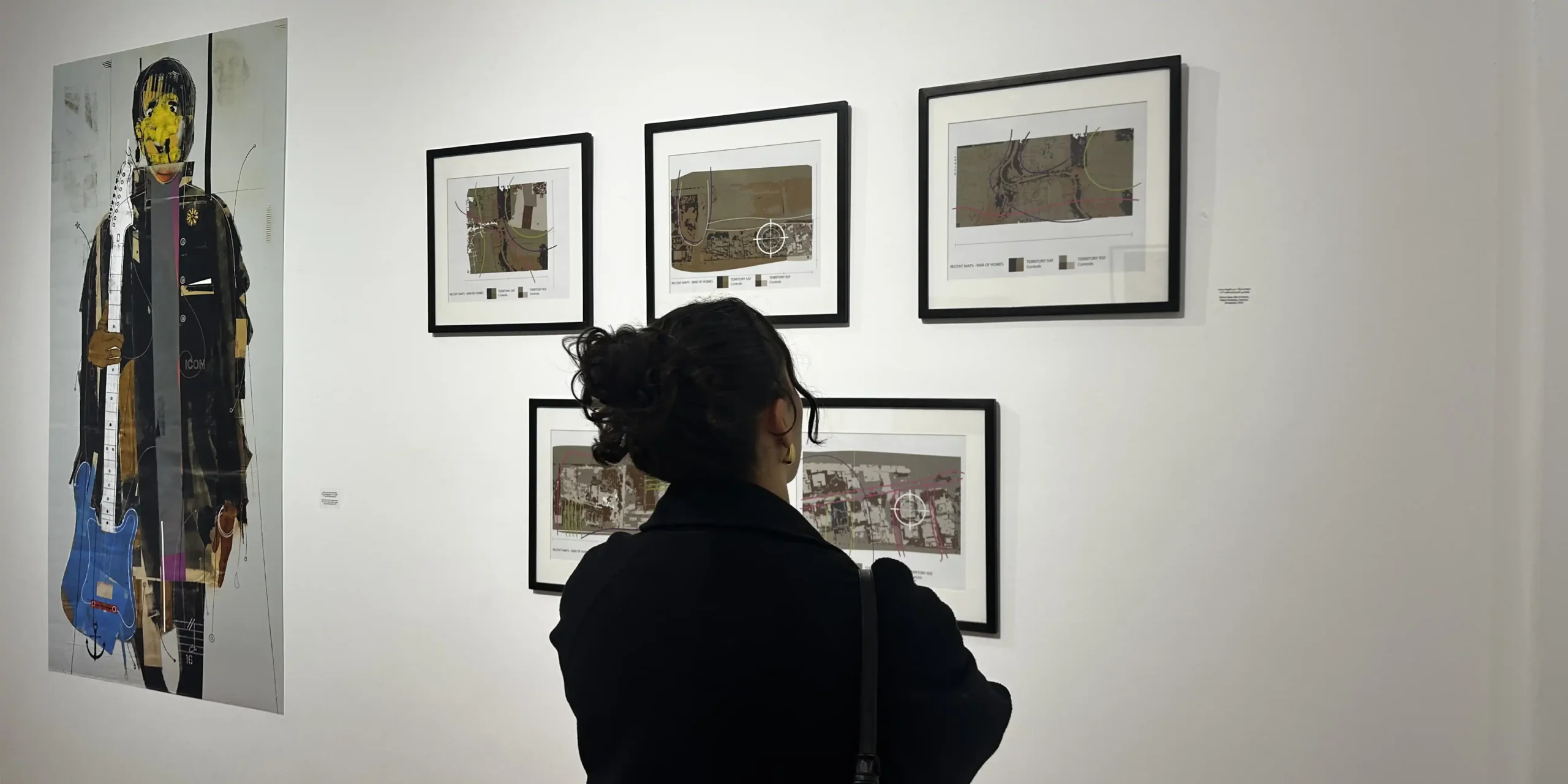
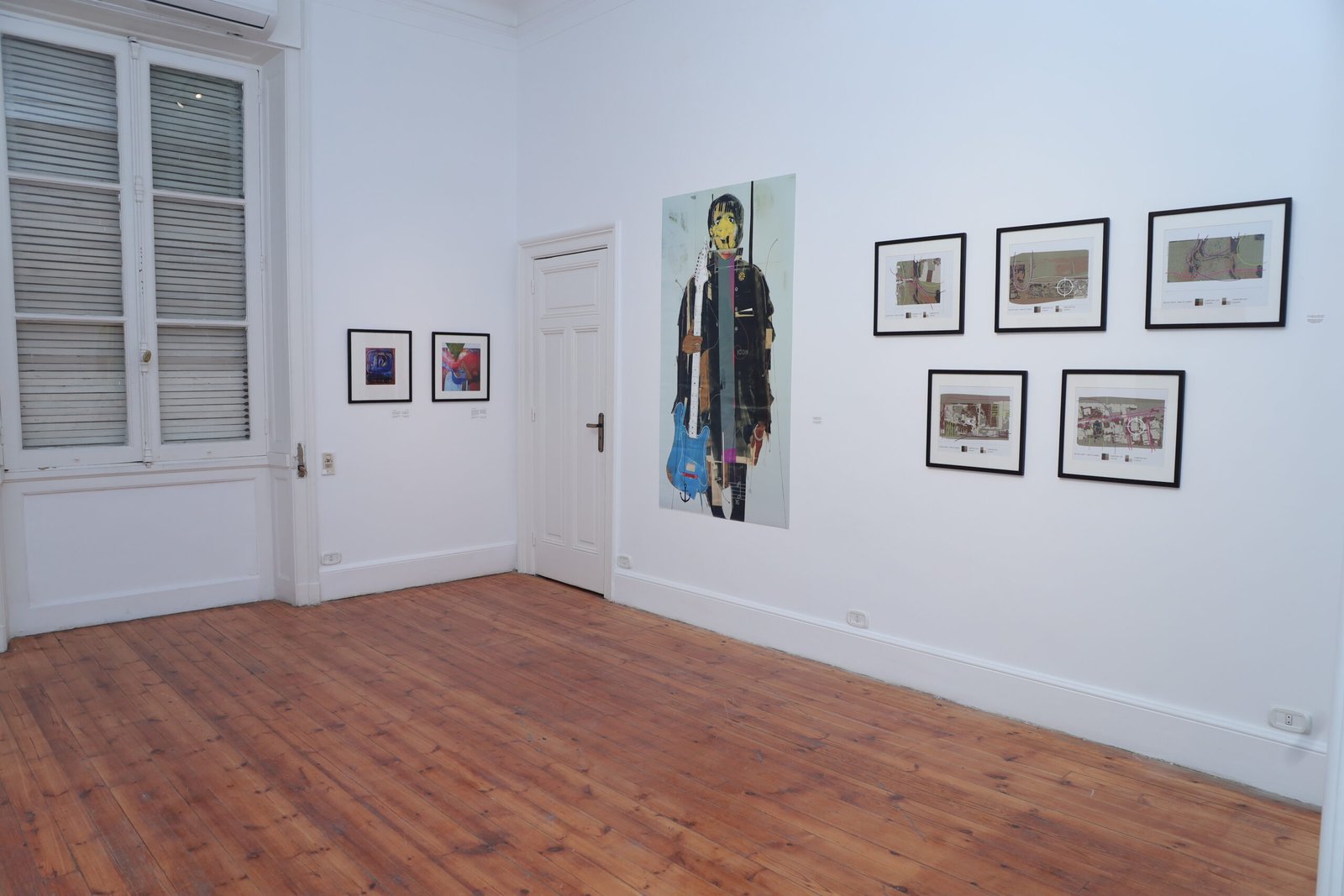
The year 2025 became a moment for reconsidering the meaning of the city, what remains of Khartoum as a sensory and emotional memory, and how alternative spaces might be created to allow art to continue. We moved between Khartoum, Port Sudan, and Cairo not as separate cities, but as overlapping layers of personal and collective narratives.
The project Extended Cities: Khartoum – Port Sudan – Cairo evolved beyond an exhibition or residency format to become a space for reflecting on how cities live within memory once their geographic stability is lost. The city was no longer a backdrop for artistic work, but a subject of contemplation ــ its presence shaped more by trace than by form. In many of the works, Khartoum appeared as a city that lived within artists, rather than one they physically inhabited.
Port Sudan emerged as a space of transition and questioning, while Cairo offered a site of reassembly ــ a place where identity could be reread as a layered and shifting condition. From this dialogue between cities emerged the need for documentation, leading naturally to the publication of the project book as part of our effort to build an alternative archive ــ one that preserves not only images, but the emotional and intellectual contexts surrounding them.
In parallel, we revisited the idea of the residency as a space for reflection before production. Where We Are Not Named allowed artists to pause with questions of identity and belonging within a collective framework rooted in dialogue and exchange. The residency became a quiet space for articulating what daily life often makes difficult to express, and a form of knowledge practice that opens pathways toward new artistic languages.
The question of archiving remained present across all these experiences. We became increasingly aware that Sudanese art risks becoming a purely oral memory amid the destruction of institutions and the dispersal of artists. For this reason, the Sudan Art Archive remains a central effort to preserve this heritage, connect artworks to longer historical contexts, and ensure artists maintain a place within their own narratives.
Throughout this year, we returned to projects that have shaped the expansion of our engagement with the region. Among them was Extended Cities: Khartoum – Beirut, approached as a space for collective research where artistic practice intersects with broader questions of cultural exchange, history, construction and destruction, and the structures that govern the movement of artists and cultural institutions within contexts of displacement. In Cairo, we hosted Lily Abichahine, who worked closely with Khalid Abdelrahman. Within this framework, the workshop Art and Law: Representation, Trials, and Power, led by Lily, became one of the project’s key research moments.
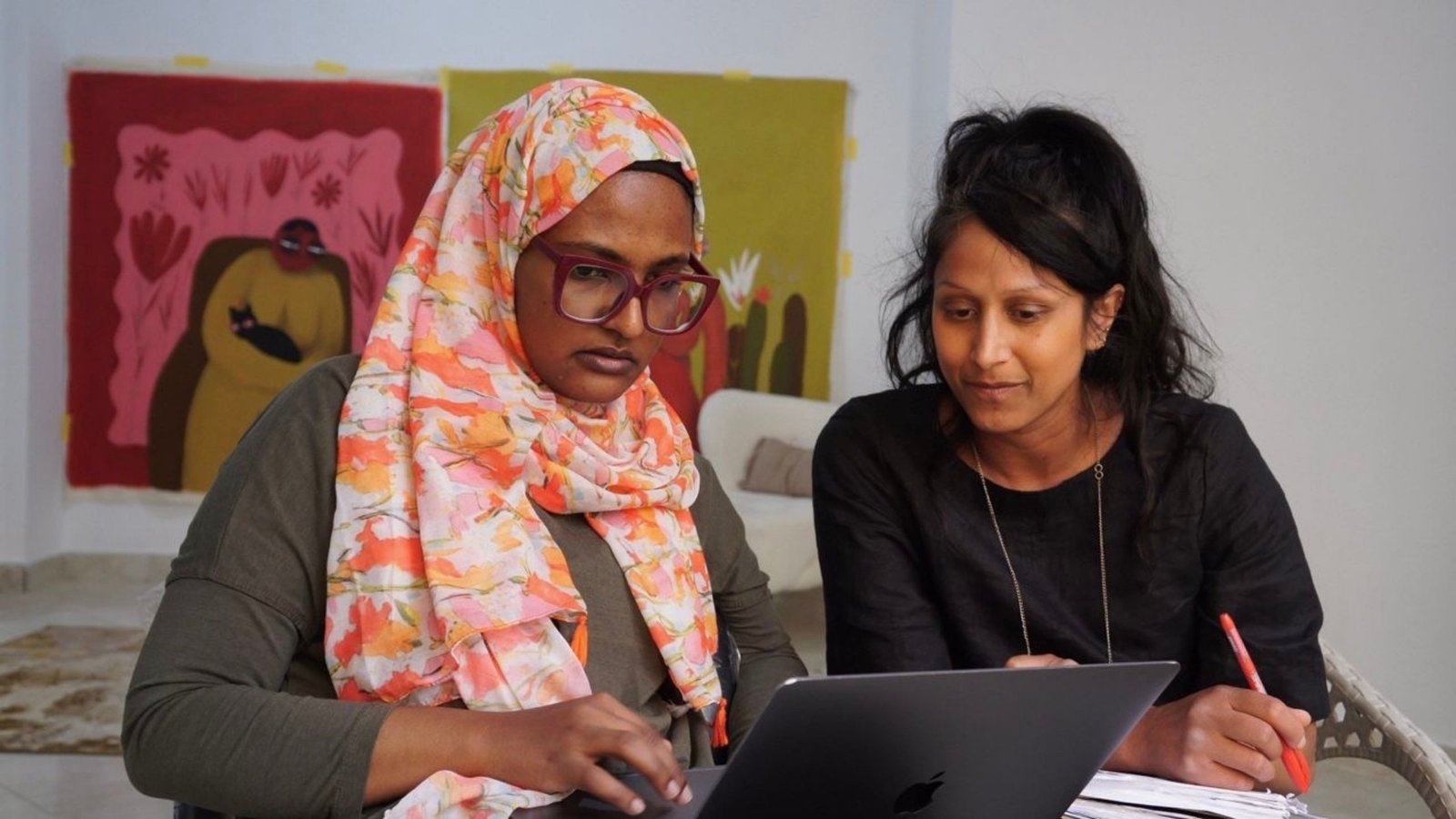
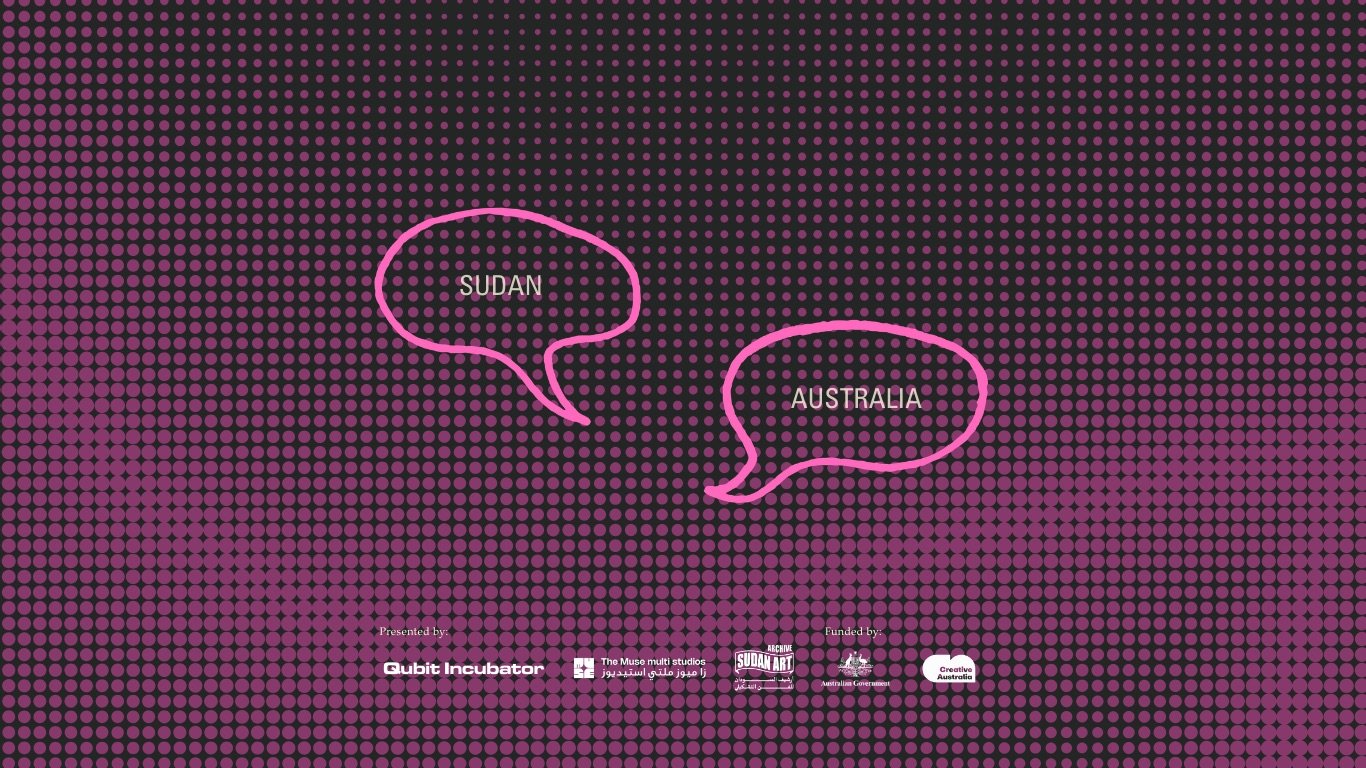
Beyond the region, to the south, our partnership with Qubit Gallery and Incubator (Australia) took shape. In November, a long-term collaboration in archiving and artistic production was launched, following several months of online development and exchange. Directors Shay Jayawardena and Reem Aljeally spent three weeks in Cairo at the Knowledge Lab, engaging closely with the city, its layered histories, Sudanese communities, and local artistic practices, while also facilitating a meaningful exchange of resources between the two institutions.
The project seeks to foster exchange and co-creation between Sudanese and Australian artists across fields including alternative archiving, community-based archives, digital tools, storytelling, and theory. In doing so, it reinforces our role in knowledge production, the support of artistic practice in Sudan, and the expansion of its reach beyond geographic boundaries.
The Muse Magazine remained an active presence throughout the year, reaffirming our commitment to quality and continuity for the third consecutive year. This edition focused on Borders and Intersections, approaching these themes from both artistic and conceptual perspectives. The magazine evolved into a space of concentrated inquiry ــ a laboratory that sought to propose social readings and critical approaches beyond familiar frameworks and outside conventional academic or research-based discourse.
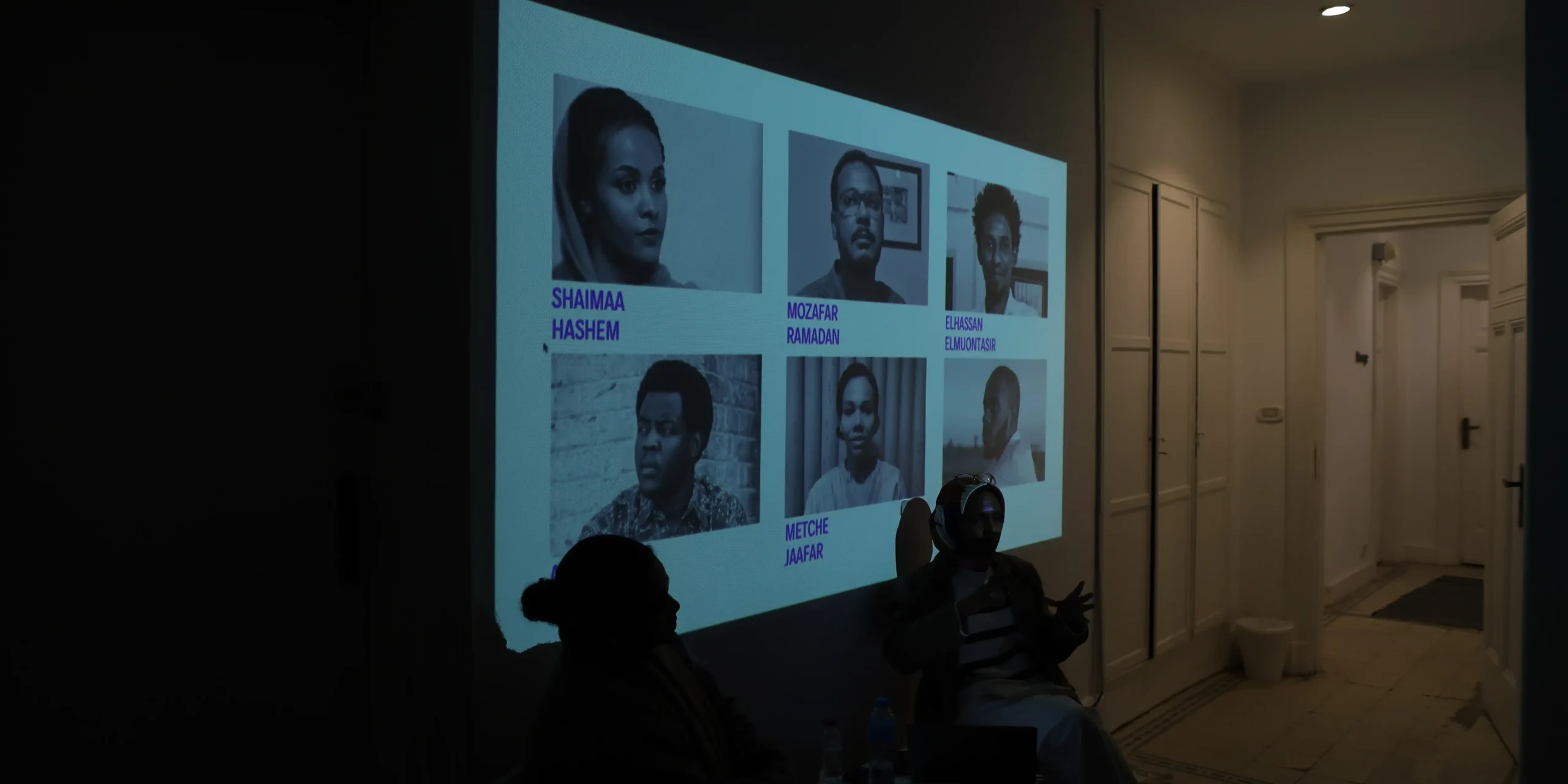
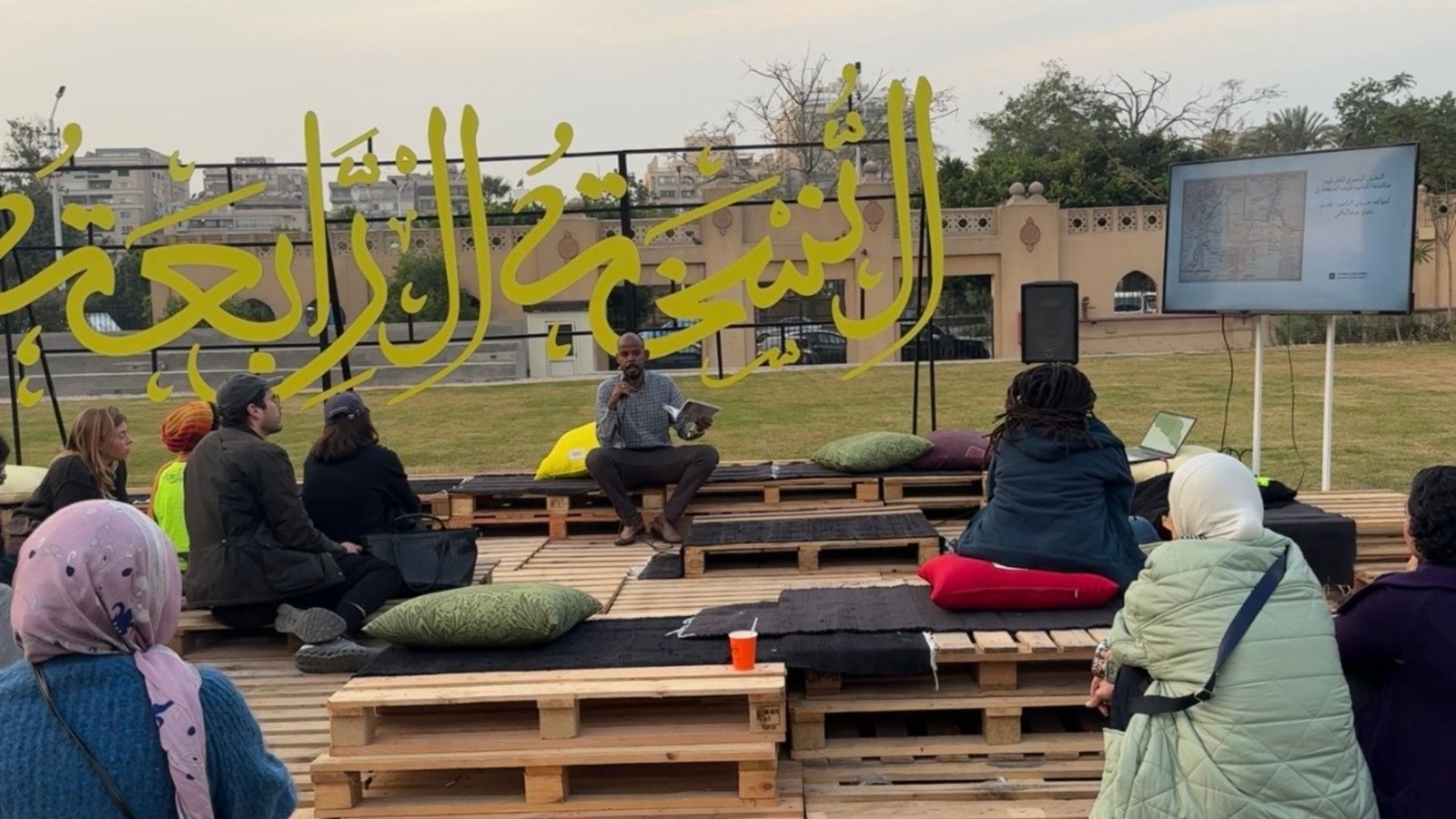
Open discussions and public conversations, initiated through The Muse’s seminar series, also continued as part of this year’s programming. Sudanese artist and photographer Hassan Kamil presented a rich talk on A City No Longer Forgotten, reflecting on the transformation of the city of Berber through his experience of displacement and forced movement. The discussion was further enriched by audience contributions, as participants shared their own encounters with similar states of uncertainty and dislocation, prompted by Kamil’s presentation.
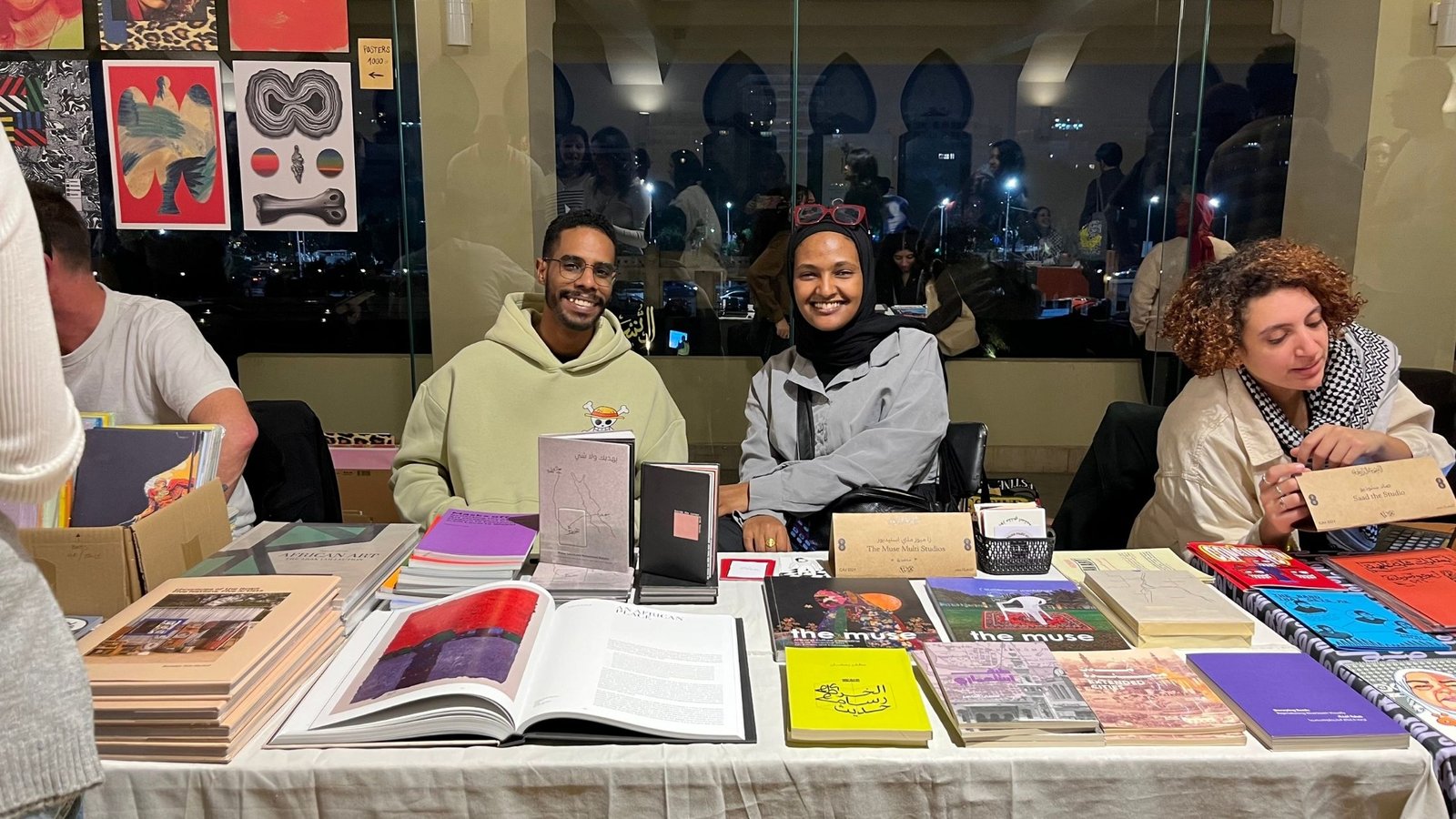
During our second seminar ــ and as part of our third consecutive participation in the Cairo Art Book Fair 2025 ــ film critic Modathir Abdelgader discussed our publication, Colonial Specterum by Hassan Al-Nasser. His presentation offered a critical overview of the book and highlighted its central themes and contributions.
As these projects expanded, it became clear that our work could no longer be defined solely by events or collaborations. It had become a process of rebuilding the Sudanese artistic community within new spaces. The artist’s place is no longer clearly defined, and the city that once served as a center for creativity can no longer sustain that role. Throughout the year, we worked to build new networks of connection, offering artists forms of stability and support that have been lost. These temporary but effective spaces are not substitutes for home, but attempts to build a provisional “artistic homeland” where creative work can continue despite displacement, dispersion, and economic pressure.
The year 2025 was shaped by open questions: How can art respond to a war that has pulled place out from under the artist’s feet? How can the city be recovered as a sensory experience rather than a geographic site? How can memory be written at a moment when everything risks disappearance? We did not seek definitive answers, but new ways of asking these questions, and new spaces in which art can remain alive.
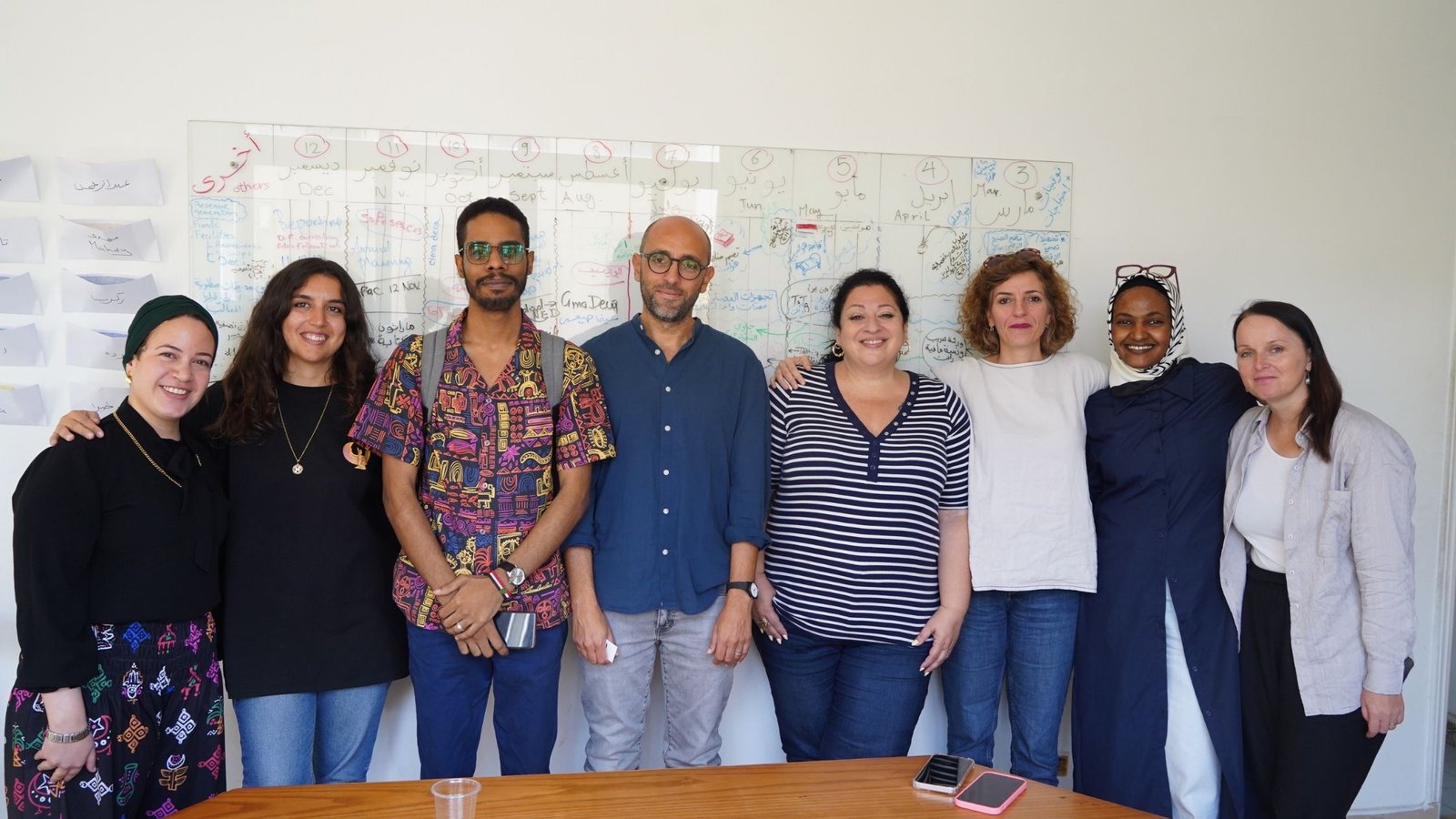
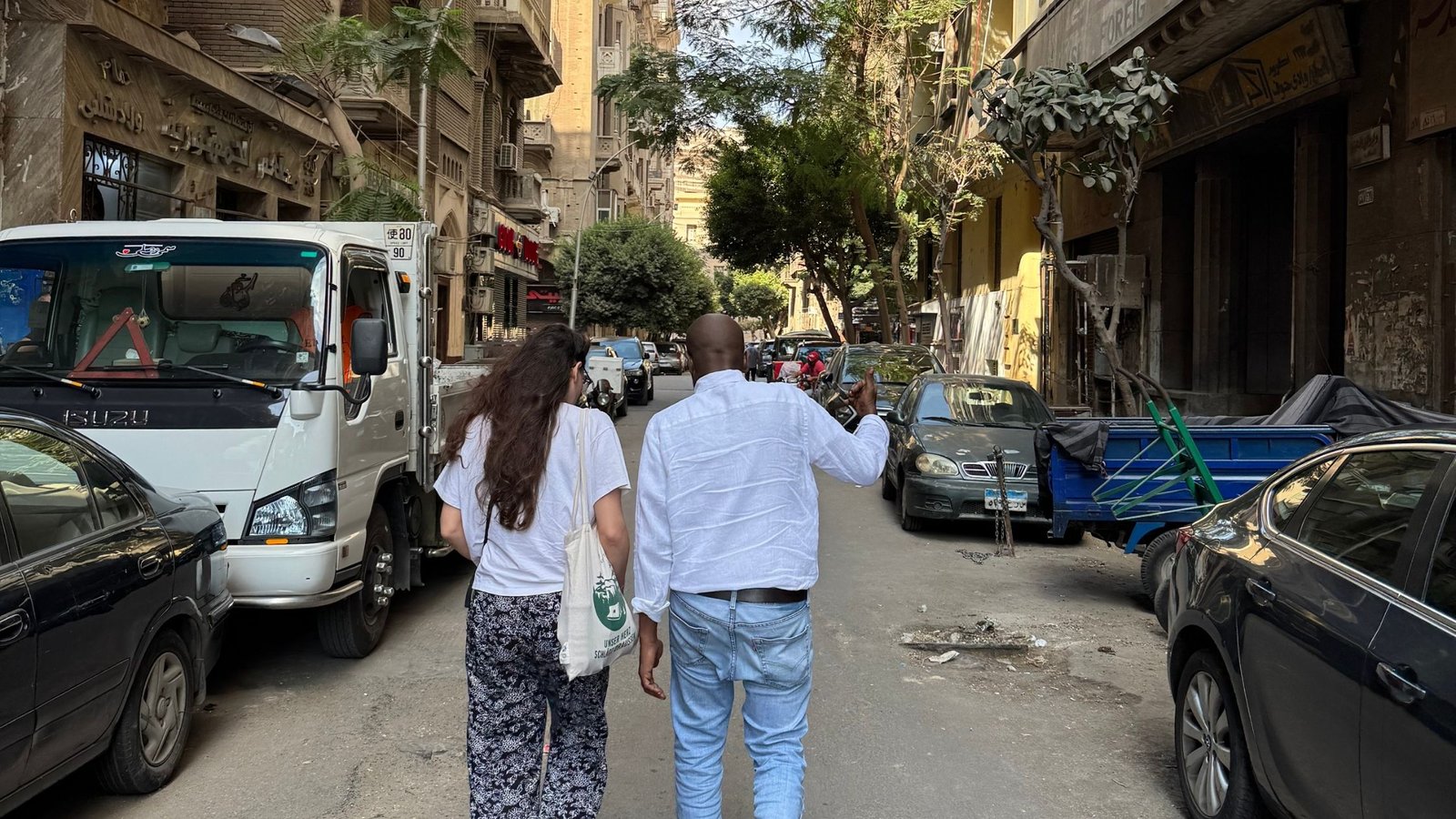
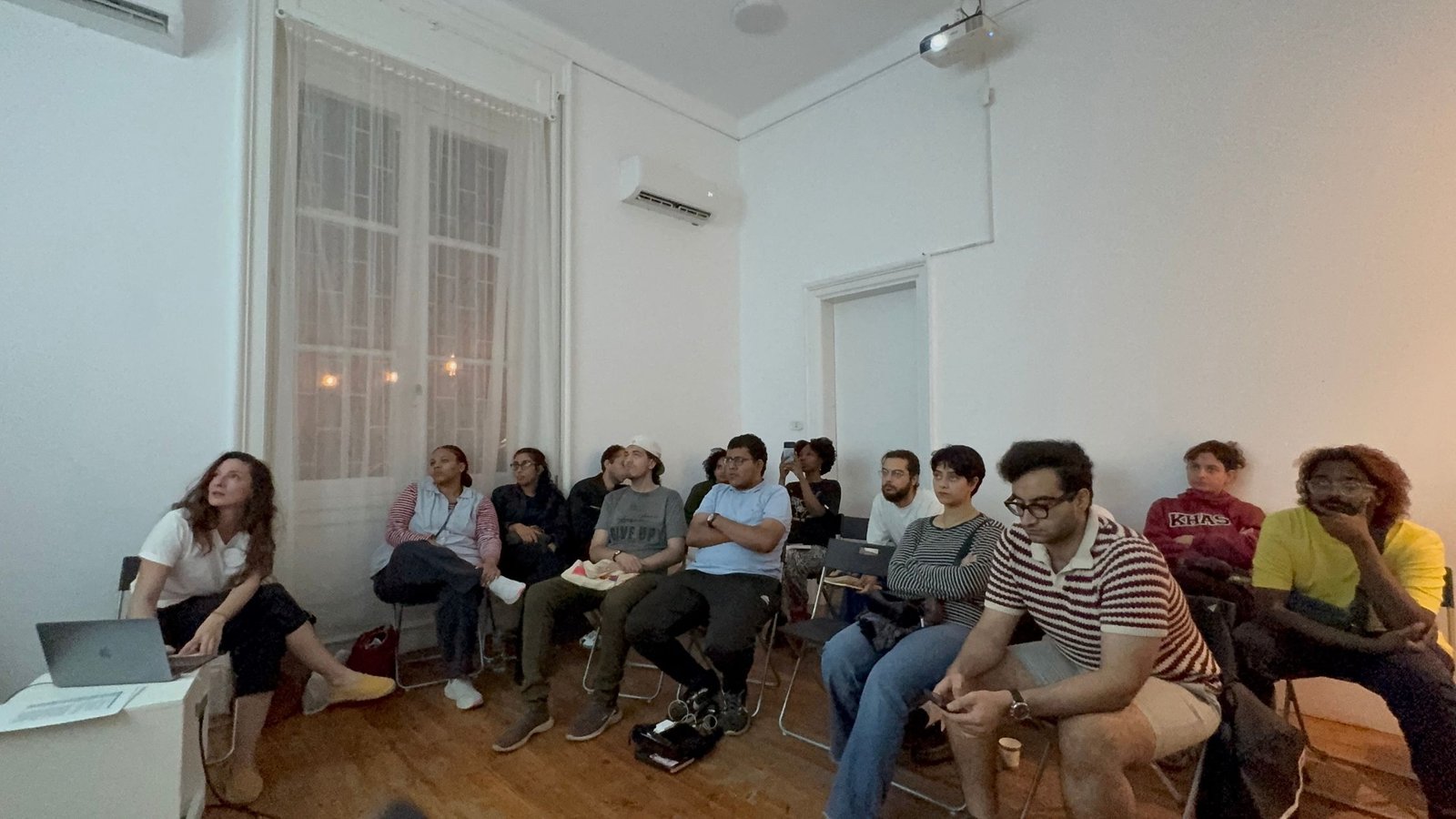
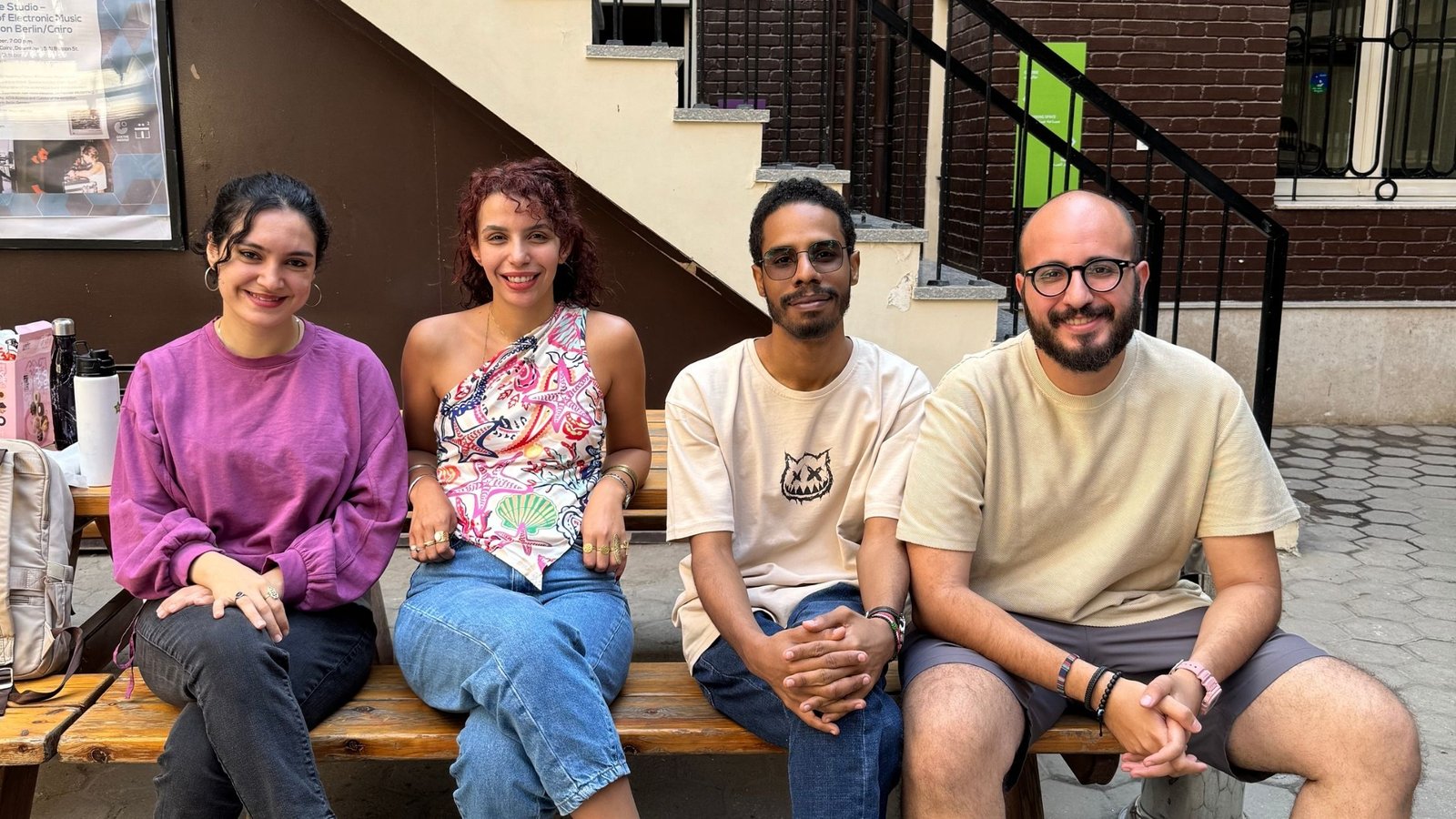
What we accomplished this year was not a conventional annual program, but a conscious intervention in a fragile moment where art intersects with memory, and place intersects with the human experience imposed by war. We sought to work as an institution that learns from transformation and moves within it, rather than standing outside it.
Our projects attempted to rewrite relationships with cities, images, and identity ــ not as fixed realities, but as open fields of experience. We worked to protect what could still be preserved of artistic memory, and to create platforms that allow artists to retell their experiences not as victims, but as producers of new meaning.
We believe that art is not a luxury in times of crisis, but an essential practice for rebuilding meaning. What we have done this year is one step within a longer path ــ one through which we seek to support Sudanese artistic production, open new horizons for shared imagination, and keep light present, even in the darkest moments. Guided by this belief, we will continue to develop projects that reconnect artists to context, memory, and both personal and collective aspiration, working together to build a visual and intellectual record capable of enduring time and opening new possibilities ــ not only for what has been, but for what might still be.
March 15, 2026
December 9, 2025

May 9, 2025